
02
Oct
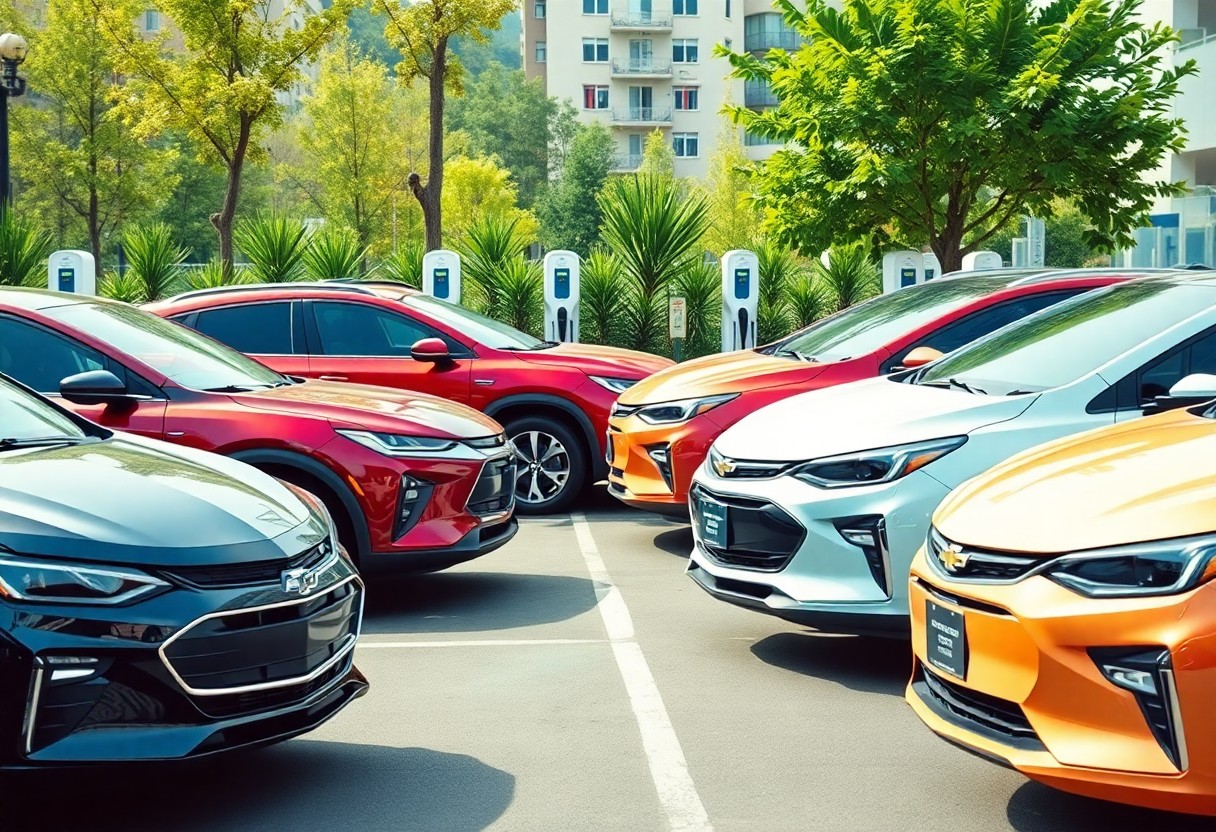
You may have noticed an increasing number of hybrid and electric Chevrolet vehicles on the road, reflecting a significant shift in consumer preferences towards sustainable transportation. These vehicles not only contribute to a reduction in carbon emissions but also offer you impressive fuel efficiency and advanced technology features. With Chevrolet’s commitment to innovation and environmental responsibility, their hybrid and electric models are becoming increasingly attractive for those looking to enhance their driving experience while making a positive impact. Explore how these vehicles can fit into your lifestyle and drive the future of mobility.
Types of Hybrid and Electric Chevrolet Vehicles
Chevrolet offers a diverse range of hybrid and electric vehicles designed to meet various consumer needs and preferences. With advancements in technology, their lineup includes models that combine the efficiency of both electric and traditional combustion engines. You can choose from options such as the popular Chevrolet Volt, which is a plug-in hybrid, and fully electric models like the Chevrolet Bolt EV. Each vehicle is engineered to provide a unique driving experience while promoting sustainability and lower operational costs.
| Model | Type |
| Chevrolet Volt | Plug-in Hybrid |
| Chevrolet Bolt EV | Electric Vehicle |
| Chevrolet Malibu Hybrid | Hybrid |
| Chevrolet Spark EV | Electric Vehicle |
| Chevrolet Silverado EV | Electric Truck |
Each hybrid model offers an optimal blend of performance and fuel efficiency, allowing you to achieve better mileage without sacrificing power. The Chevrolet Malibu Hybrid stands out with its stylish design and impressive fuel economy, making it a practical choice for daily commuting. On the other hand, the Chevrolet Volt features an extended range that allows for longer trips without constantly worrying about recharging.
Overview of Hybrid Models
Hybrid models like the Chevrolet Volt and Chevrolet Malibu Hybrid utilize a combination of a gasoline engine and electric motor. This configuration allows for seamless transitions between power sources, ensuring that you maximize efficiency during city and highway driving. With regenerative braking technology, these hybrids can recharge their batteries while you drive, enhancing overall fuel efficiency and minimizing environmental impact.
Moreover, hybrid technology in Chevrolet vehicles offers you enhanced performance capabilities without compromising comfort. The Chevrolet Malibu Hybrid, for example, not only delivers an exceptional fuel economy rating of around 49 MPG in the city but also provides a smooth and responsive driving experience. These models are suitable for eco-conscious drivers looking for reliable transportation.
Overview of Electric Models
The fully electric models in Chevrolet’s lineup, particularly the Chevrolet Bolt EV, represent a significant shift towards zero-emission vehicles. The Bolt EV offers an impressive range of over 259 miles on a single charge, making it an excellent option for both city dwellers and those planning long-distance travel. With rapid charging capabilities, you can recharge up to 100 miles in about 30 minutes using DC fast charging stations.
Performance remains a key focus for Chevrolet’s electric offerings. The torque delivered by electric motors ensures that you experience quick acceleration and agile handling. The design of the Chevrolet Bolt EV emphasizes spaciousness and comfort while still being compact enough for easy maneuverability in urban settings. Transitions to an electric vehicle not only reduce your carbon footprint but also often come with lower maintenance costs and tax incentives.
This range of electric vehicles is geared toward enhancing your driving experience with advanced technology and superior efficiency. With features like built-in navigation for nearby charging stations and smartphone integration, Chevrolet’s electric models provide a futuristic driving experience that aligns with modern environmental values.
Factors Driving Popularity
The surge in interest surrounding hybrid and electric Chevrolet vehicles can be attributed to several key factors. First, growing consumer awareness regarding environmental issues makes eco-friendly options more appealing. As you consider your choices, the increased urgency around climate change and air quality drives you to seek vehicles that align with sustainable practices. Additionally, rising fuel prices have prompted a shift towards vehicles that offer better energy efficiency and lower running costs.
- Environmental awareness
- Economic benefits
- Government incentives
- Technological innovations
Government incentives, such as tax credits and rebates for electric vehicle purchases, make these options financially savvy. Your decision to transition to a hybrid or electric model becomes not only environmentally responsible but also economically advantageous. Knowing that your vehicle could also contribute to a cleaner future is increasingly motivating individuals to make the switch.
Environmental Impact
The environmental benefits of hybrid and electric vehicles extend beyond reduced emissions. Chevrolet’s commitment to sustainability is evident in its production processes, which aim to minimize waste and lower the carbon footprint associated with manufacturing. By choosing a hybrid or electric model, you actively contribute to decreasing greenhouse gas emissions and promoting cleaner air in your community.
Various studies show that electric vehicles can reduce total life cycle emissions by up to 70% compared to traditional gasoline vehicles. The shift away from fossil fuels to renewable energy sources to charge these electric vehicles further enhances their environmental benefits, making them a more attractive option for those concerned about the planet.
Technological Advancements
Technological innovations in the automotive industry have significantly enhanced the appeal of hybrid and electric Chevrolet vehicles. Cutting-edge advancements, such as regenerative braking, improved battery efficiency, and advanced connectivity features, add convenience and functionality to your driving experience. These technologies not only enhance performance but also provide you with valuable real-time data on your vehicle’s energy consumption and charging status.
The continuous development of battery technology, particularly in enhancing range and reducing charging time, has played a pivotal role in changing consumer perceptions about electric vehicles. Chevy’s introduction of fast-charging stations across various locations allows you to conveniently recharge your vehicle while on the go. This progress ensures that range anxiety becomes less of a concern for potential buyers.
With ongoing research and investment in electrical infrastructure, the shift towards more efficient hybrid and electric systems is unstoppable. Enhanced energy density in batteries means longer travel on a single charge, and the rollout of smart charging solutions makes recharging far more user-friendly. The evolving landscape of technology in vehicles promises a future where driving a hybrid or electric Chevrolet is not just a choice but an integral part of lifestyle decisions.
Tips for Potential Buyers
As you consider purchasing a hybrid or electric Chevrolet vehicle, it’s vital to conduct thorough research before making your decision. Evaluate your specific needs, keeping in mind factors like your typical daily commute and charging capabilities. Here’s a checklist to help guide your purchase:
- Driving Distance – Assess how far you drive daily.
- Charging Options – Determine if home charging is viable for you.
- Vehicle Features – List which features are important for you.
- Budget – Establish how much you can spend initially and in maintenance.
- Incentives – Research federal and state incentives applicable to your purchase.
After gathering this information, you’ll be better equipped to choose a vehicle that aligns with your lifestyle and financial situation.
Evaluating Your Driving Needs
Your driving patterns play a fundamental role in determining whether a hybrid or electric Chevrolet vehicle is the right fit. If you frequently travel long distances, a hybrid may serve you better due to its gasoline backup. Conversely, if your routine consists primarily of short trips, an electric model might be perfect, offering minimal emissions and lower running costs. Analyze your weekly mileage to see how much of it could potentially be replaced by an electric drivetrain.
Additionally, consider your access to charging infrastructure. If you can install a home charger, you’ll benefit from the ease of charging overnight, making an electric vehicle more feasible. Alternatively, if public charging stations are sparse in your area, opting for a hybrid could alleviate range anxiety while still allowing you to enjoy some of the benefits of electric driving.
Understanding Incentives and Rebates
Many potential buyers overlook the various financial incentives available when purchasing a hybrid or electric vehicle. Federal tax credits can significantly reduce the overall cost, potentially offering you a rebate of up to $7,500 off your federal taxes, depending on the model and battery size. Additionally, some states and local governments offer their own incentives, which could include further tax credits, rebates, or grants, along with perks like access to carpool lanes.
Researching these incentives requires checking both federal and state resources to find specific details applicable to your purchase. For instance, some programs have funding limits, while others may depend on your income level. Websites dedicated to electric vehicle information often provide updated listings of available incentives tailored to your area, ensuring you don’t miss out on potential savings.
The Step-by-Step Guide to Buying
Buying Process Breakdown
| Step | Details |
|---|---|
| Researching Models | Explore Chevrolet’s hybrid and electric lineup, focusing on models like the Bolt EV and Volt. Review specifications, range, and features that align with your needs. |
| Test Driving | Arranging test drives provides a hands-on experience. Evaluate comfort, handling, and technology. Compare models side-by-side to find the best fit. |
| Financing Options | Evaluate financing options including loans, leases, and incentives specific to electric vehicles. |
| Negotiating | Utilize your research to negotiate the best price and terms with the dealership. |
| Finalizing Purchase | Review all paperwork and confirm all aspects of the deal before committing to the purchase. |
Researching Models
Start by exploring into Chevrolet’s offerings, particularly the Bolt EV and Equinox EV. Analyze each model’s battery range, efficiency ratings, and unique features like regenerative braking and tech integrations. Resources such as automotive reviews and Chevrolet’s official website provide insights, ratings, and comparisons to help narrow your options.
Pay attention to customer feedback and real-world performance data, particularly for key metrics like charging time and energy consumption. Understanding what current owners appreciate or criticize can significantly impact your decision-making process.
Test Driving and Comparisons
Scheduling test drives is an integral part of the purchasing journey. As you experience the car in real-world conditions, assess factors such as visibility, comfort, and how intuitive the technology feels. Chevrolet may offer various configurations, so trying multiple models will help you determine which meets your preferences and lifestyle.
Use your test drives to take mental or note-based comparisons. Consider creating a checklist that includes acceleration, steering feel, and seat comfort. This comparison will guide your ultimate decision, ensuring you choose a model that aligns with your driving needs and expectations.
Additional Insights on Test Driving
| Insight | Details |
|---|---|
| Handling | Pay particular attention to how each model handles during turns or uneven terrain, as electric vehicles often have different weight distributions due to their batteries. |
| Technology Features | Test drive models equipped with advanced driver-assistance systems to understand their functionality and accessibility in real scenarios. |
Pros and Cons of Choosing Hybrid and Electric
Pros and Cons Table
| Pros | Cons |
|---|---|
| Lower fuel costs | Higher initial purchase price |
| Reduced emissions | Limited range compared to gas vehicles |
| Government incentives and rebates | Longer recharge times for electric models |
| Quieter operation | Fewer charging stations than gas stations |
| Tax benefits for electric vehicle owners | Potential battery replacement costs |
| Improved efficiency | Uncertain resale value |
| Support for renewable energy | Less familiarity with maintenance and repairs |
| Access to high-occupancy vehicle (HOV) lanes | Possible performance issues in extreme weather |
| Innovative technology and features | Perception issues among traditional car buyers |
| Increased range options with hybrid technology | Possible charging station infrastructure wait times |
Advantages
Your costs at the pump can significantly decrease with hybrid and electric Chevrolet vehicles. These cars typically offer higher miles per gallon (MPG) or use electricity to power their systems, leading to an average savings of up to $1,000 per year on fuel alone. Additionally, your environmental footprint is reduced dramatically; electric vehicles (EVs) produce zero tailpipe emissions, and hybrids lower emissions compared to traditional gasoline vehicles. This shift not only benefits you economically but also contributes positively to air quality and combatting climate change.
Incentives also play a vital role in the appeal of hybrid and electric vehicles. You can benefit from federal and state tax credits that can range up to $7,500, making these vehicles more financially accessible. Furthermore, many areas offer rebates for home charging stations or free charging access, enhancing the overall value of your investment. Moreover, innovative technologies, often found in these vehicles, provide a unique driving experience, including features like regenerative braking that extends battery life while improving efficiency.
Disadvantages
Despite their many advantages, hybrid and electric vehicles come with drawbacks that you must consider. The initial purchase price is often higher than traditional gasoline vehicles, with electric models averaging around $10,000 more. This upfront cost can be a barrier, especially for budget-conscious consumers. Additionally, the limited range of pure EVs can be concerning. While new models are improving their distance capabilities, some still fall short compared to gas-powered options, necessitating careful planning for long trips.
Charging infrastructure may also present challenges. You might find that charging stations are fewer and less accessible than gas pumps, particularly in rural areas. Long wait times during peak hours at busy charging stations could extend your travel time significantly. Concerns over battery longevity and the potentially high costs of replacement contribute to a sense of uncertainty about the overall value proposition. Lastly, varying performance in extreme weather conditions can affect battery life and efficiency, raising more questions about dependability.
Maintenance Considerations
Routine Maintenance Needs
Hybrid and electric Chevrolet vehicles require less routine maintenance compared to traditional gasoline vehicles. For example, electric vehicles (EVs) don’t necessitate oil changes or air filter replacements, leading to time and cost savings for you. Battery health checks should be conducted regularly, but manufacturers like Chevrolet often include these checks as part of their warranty, allowing you to focus on other maintenance needs.
Brakes tend to last longer in hybrids and EVs due to regenerative braking, which reduces wear and tear. Tire rotation and alignment still apply, as does the need to inspect wheel brake systems, but you can expect lower overall maintenance frequency, translating into more time enjoying the drive rather than planning service appointments.
Cost of Ownership
The cost of owning a hybrid or electric Chevrolet vehicle presents a unique financial landscape. Although the initial purchase price may be higher, your fuel savings can offset these upfront costs significantly over time. For example, the Chevy Bolt EV can save drivers approximately $1,500 annually on fuel compared to gas-powered vehicles, translating into thousands saved over the ownership duration.
Insurance rates for hybrids and EVs can vary, often leaning towards the higher end due to repair costs and advanced technology. Nevertheless, federal and state incentives can further alleviate the financial burden, making it possible for you to enjoy lower overall operating costs. This blend of savings highlights not only the financial incentives but also the value of investing in a more sustainable vehicle.
Final Words
From above, it is evident that the shift towards hybrid and electric Chevrolet vehicles reflects a changing landscape in the automotive industry, one that caters to your growing demand for sustainability and efficiency. As you consider your next vehicle purchase, you will find that these models not only reduce your carbon footprint but also offer advanced technology and performance features that enhance your driving experience. Chevrolet’s commitment to innovation ensures that you have access to vehicles that align with your values while providing the reliable performance you expect.
Your choice of a hybrid or electric vehicle from Chevrolet signals an investment in both your future and the environment. With increasing infrastructure for charging and incentives for electric vehicle ownership, the journey towards eco-friendly driving has never been more accessible. You have the opportunity to lead by example, embracing a lifestyle that prioritizes sustainability while enjoying the practical benefits these vehicles offer. The growing popularity of Chevrolet’s hybrid and electric options is not just a trend; it’s a movement towards a more responsible and dynamic way of driving.

October 2, 2025