
05
Oct
Just understanding how to recognize suspension problems in your Chevrolet is crucial for your safety and driving experience. Uneven tire wear, excessive bouncing, or pulling to one side can indicate issues with your suspension system that need immediate attention. Regularly inspect your vehicle, and pay attention to any strange noises or changes in handling. Catching these problems early can help you avoid costly repairs and ensure optimal performance on the road.
Types of Suspension Problems
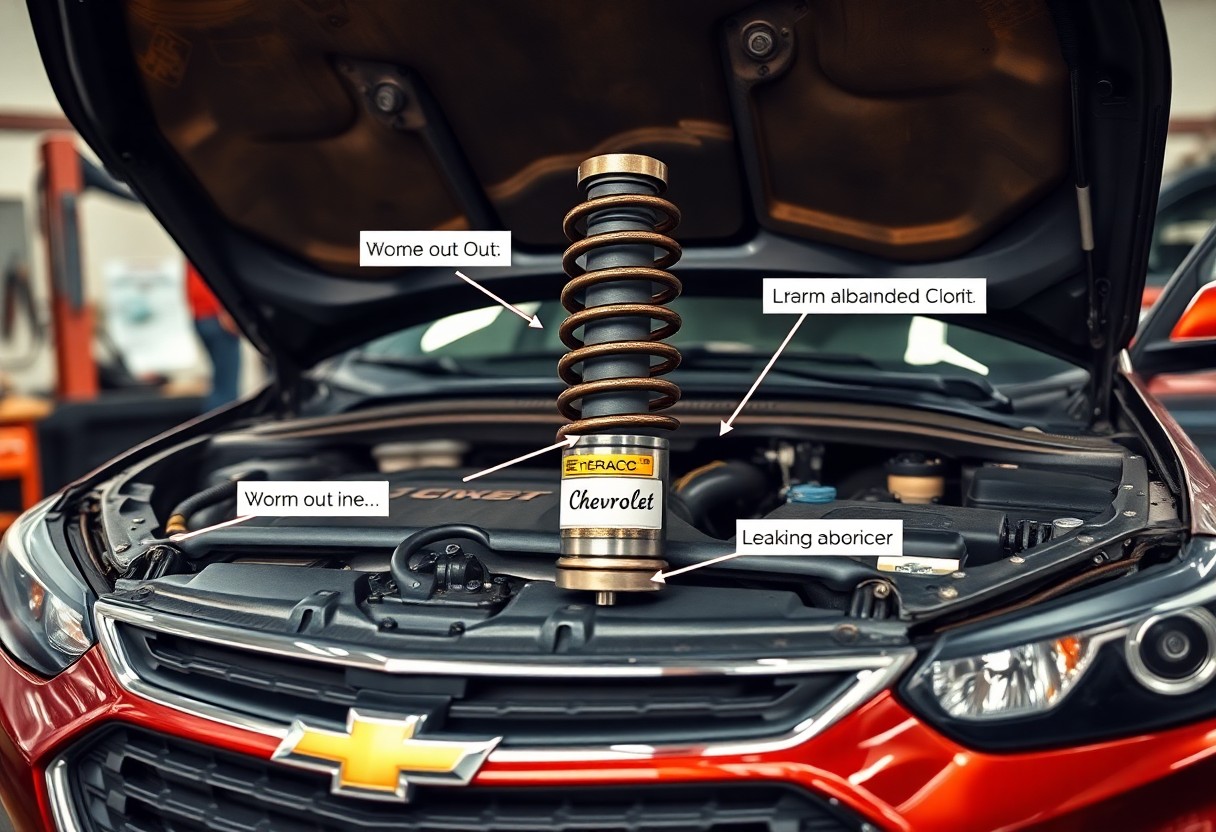
Recognizing suspension problems in your Chevrolet requires identifying the type of issue affecting your vehicle. Common suspension problems include worn-out parts, misalignment, and fluid leaks. Each of these issues can lead to various symptoms that impact your vehicle’s handling and safety.
- Worn Shocks or Struts
- Ball Joint Wear
- Leaking Fluid
- Misalignment
- Broken Springs
Assume that you notice any of these types of problems; addressing them promptly can prevent more extensive damage and costly repairs.
| Type of Suspension Problem | Brief Description |
| Worn Shocks or Struts | Can lead to a bouncy ride and reduced handling ability. |
| Ball Joint Wear | Causes instability and uneven tire wear. |
| Leaking Fluid | Indicates potential damage to shocks or struts. |
| Misalignment | Results in pulling to one side while driving. |
| Broken Springs | Leads to sagging or an uneven vehicle height. |
Common Issues in Chevrolet Suspensions
Several issues are frequently observed within Chevrolet suspensions. Worn shocks and struts often emerge as primary concerns, as they directly affect vehicle handling and comfort. Over time, these components lose their ability to dampen road vibrations, leading to a bouncy and unstable ride. Moreover, ball joints can become loose or damaged, resulting in significant changes to the vehicle’s alignment and tire wear patterns.
Fluid leaks can often indicate a compromised shock or strut system, which requires immediate attention to prevent further damage. Brakes and tires may also experience added strain if suspension components are failing. Each of these common issues not only affects your driving experience but can also pose safety risks if left unaddressed.
Symptoms of Suspension Problems
Identifying symptoms of suspension problems in your Chevrolet can ensure timely intervention and prevent exacerbated issues. You may notice a decrease in ride comfort, including excessive bouncing, swaying, or a feeling of instability while driving. Unusual noises such as clunking or squeaking sounds when going over bumps are telltale signs that something is wrong.
In addition to these symptoms, abnormal tire wear can signal underlying suspension issues. If your tires are wearing unevenly or show signs of cupping, it’s imperative to have your suspension inspected. Other signs might include a vehicle that pulls to one side or decreased steering responsiveness when changing lanes.
Signs of suspension problems can manifest in various ways. You might perceive your vehicle’s handling becoming lethargic, where it feels less responsive during maneuvers like cornering or lane changes. Additionally, actual vibrations might be felt through the steering wheel when navigating uneven surfaces. Assessing these signs promptly will help ensure that your Chevrolet remains safe and enjoyable to drive.
Factors that Contribute to Suspension Issues
The lifespan and effectiveness of your Chevrolet’s suspension system can be greatly affected by various factors. Among these, driving conditions play a pivotal role. Repeatedly driving on rough terrains, potholes, and poorly maintained roads can cause significant wear and tear on suspension components. Over time, this can lead to various symptoms such as poor handling, increased tire wear, and abnormal noises. Additionally, frequent exposure to harsh weather conditions can accelerate deterioration, particularly if components are made from materials that are not resistant to corrosion or other environmental stresses.
Maintenance neglect is another major contributor to suspension problems. Regular inspections and timely replacements of worn parts help maintain the functionality of your suspension system. Failing to perform routine checks on components such as shocks, struts, and control arms may lead to compounded issues later on. For instance, ignoring a minor noise or slight misalignment could escalate into a complete suspension failure, resulting in costly repairs and potential safety hazards. Perceiving early signs of suspension issues can save you from more extensive repairs in the future.
Driving Conditions
Driving in extremes can directly affect your Chevrolet’s suspension performance. You may encounter off-road conditions that demand a sturdy suspension system, which, if unprepared, could lead to quicker deterioration. Urban environments often expose vehicles to increased road debris and uneven surfaces. Your focus should always be on maintaining a smooth ride. If you find yourself often navigating rough roads, consider checking your suspension components more frequently.
Moreover, excessive weight load can also impact your suspension system. Carrying heavy loads without compensating with the appropriate adjustments in your suspension can lead to premature wear. Always be mindful of your vehicle’s load capacity and the effect it has on your overall driving experience. Tailoring your driving habits will contribute to a longer lifespan for your suspension system.
Maintenance Neglect
Ignoring routine maintenance on your Chevrolet’s suspension can amplify minor issues into major ones. Components such as worn bushings and leaky shocks often go unnoticed until they lead to significant problems. Regular inspections can identify these issues, ensuring that your vehicle operates smoothly and safely. Routine maintenance includes checking the condition of your suspension parts for signs of wear and ensuring that all components are functioning optimally.
Delaying necessary repairs only compounds the issue. For example, a simple shock replacement can enhance ride quality and stability, making minor maintenance a worthy investment. Ignoring early signs of suspension trouble may result in a cascading effect on associated systems, leading to more extensive and expensive repairs. Your Chevrolet deserves regular attention to keep everything running as it should, preserving both performance and safety.
Tips for Identifying Suspension Problems
Suspension issues often manifest in subtle ways, and early detection can save you from costly repairs. Start by observing your vehicle’s behavior in different driving conditions. Pay attention to any unusual sounds, vibrations, or changes in handling. Keeping an ear out for clunking sounds or a noticeable drop in ride quality can be indicative of underlying problems. Regularly inspecting your Chevrolet is imperative for ensuring that its suspension components remain in optimal condition.
- Listen for unusual noises when driving over bumps.
- Note any pulling to one side while steering.
- Check for uneven tire wear.
- Monitor the vehicle’s height and stance.
Visual Inspection Techniques
Conducting a visual inspection can reveal much about your Chevrolet’s suspension. Begin by examining the components for any signs of leakage or damage. Look closely at the shocks, struts, and control arms for cracks or rust. Inspect the bushings and joints for wear, as these are common failure points. A quick look underneath your vehicle can help you spot any misalignment or sagging that might indicate a suspension issue.
Don’t overlook the tires, as they can provide valuable clues. Uneven wear patterns can signal problems with the suspension alignment or worn components. Make a habit of checking the air pressure and tread depth, as these factors also contribute to the overall performance of your suspension system. Identifying these visual cues early can help you address problems before they become serious.
Road Test Strategies
A thorough road test can highlight suspension problems that are not visible during a stationary inspection. To effectively evaluate your Chevrolet, drive over various surfaces, including potholes and rough roads. Pay attention to how the vehicle responds; excessive bouncing or a sensation that you are losing contact with the road indicates issues with the shock absorbers. If you feel the vehicle sway significantly while turning or going over uneven terrain, the suspension may require immediate attention.
During the road test, also consider specific driving conditions. Engage in quick lane changes to see if the suspension settles quickly without excessive body roll. A well-functioning suspension system should exhibit a stable and controlled response. You might also want to feel for any vibrations, as these can hint at improper alignment or worn-out components. Recognizing these signs early can help in maintaining your Chevrolet’s performance and safety on the road.
Step-by-Step Diagnosis of Suspension Problems
Table of Common Symptoms and Their Causes
| Symptom | Possible Cause |
|---|---|
| Unusual Noises | Worn-out shock absorbers or struts |
| Pulling to One Side | Misaligned wheels or uneven tire pressure |
| Excessive Bounce | Failed shocks or springs |
| Uneven Tire Wear | Improper alignment or suspension wear |
Gathering Tools and Equipment
You need specific tools to diagnose suspension problems effectively. Essential equipment includes a jack, jack stands, and a lug wrench for safely lifting and securing your vehicle. Additional diagnostic tools like a tape measure can help check for alignment issues, while a torque wrench ensures components are tightened to manufacturer specifications. Consider also having a ball joint separator and a suspension spring compressor for more intricate work.
In addition to these tools, use basic safety gear such as gloves and safety glasses to protect yourself during the inspection process. Having a worklight will also make it easier to see under your vehicle, enabling you to thoroughly inspect all visible suspension components.
Testing and Evaluating Suspension Components
Begin your evaluation by visually inspecting the suspension system for any signs of wear or damage. Check for oil leaks around shocks or struts, and look for cracked or broken components. Then conduct a bounce test by pressing down on the front or rear of your Chevrolet and observing how quickly it returns to its original position. If it continues to bounce multiple times, this indicates ineffective dampening that requires attention.
A more detailed assessment involves checking the alignment and suspension geometry. Use your tape measure to evaluate wheel height compared to the manufacturer’s specifications. You can also perform a test drive, paying attention to handling characteristics and any odd noises. These observations help you pinpoint exact problems within the suspension system.
Another diagnostic technique involves checking for excessive play in the suspension components. Inspect ball joints and tie rod ends for movement; any noticeable play indicates that these parts are likely worn and may need replacement. Additionally, consider the age and mileage of your Chevrolet, as components can become less effective over time, even if they don’t show obvious visual signs of damage.
Pros and Cons of DIY Suspension Diagnosis
Pros | Cons
— | —
Cost savings on labor | Potential for misdiagnosis
Flexibility in scheduling | Safety risks if not done correctly
Learning experience for future repairs | Required tools can be expensive
Complete control over the process | Time-consuming if inexperienced
Possibility of quality work | Lack of warranty on DIY repairs
Ability to customize solutions | May void existing warranties
Access to online resources and communities | Complicated setups may require professionals
Advantages of DIY Repairs
Taking the DIY route for suspension diagnosis and repairs offers significant cost savings, as you eliminate labor fees. Tools required for some basic jobs are often affordable and can be reused for future projects. Engaging in this hands-on process enables you to gain valuable skills that enhance your mechanical understanding of vehicles, ultimately empowering you to address a wider range of automotive issues on your own. Many resources, such as online forums and videos, provide guidance and step-by-step instructions tailored to Chevrolet models, allowing for a smoother learning curve.
Another significant advantage is the flexibility in managing your own schedule. You can work on your vehicle at your own pace, without the pressure of shop hours. This can be particularly beneficial if you’re juggling other commitments, allowing you to tackle repairs when it’s most convenient for you. Completing the job yourself also means you can express your preferences in parts selection and repair techniques, leading to a more personalized experience tailored to your needs.
Disadvantages and Risks
DIY suspension work carries the drawback of potential misdiagnosis, which can lead to unnecessary expenses and further issues down the line. Without the aid of professional diagnostic equipment, you might overlook subtle signs of wear or damage that could escalate into safety hazards. Additionally, certain suspension components require specialized knowledge and tools, increasing the risk of injury if proper precautions aren’t taken.
Time is another factor; even for experienced DIYers, unexpected challenges can arise, prolonging the repair process. If you inadvertently damage a part during disassembly, you might find yourself stuck without transportation while waiting for replacement parts to arrive. While the learning experience can be rewarding, the risks involved in DIY suspension repairs should be carefully considered, especially regarding vehicle safety and reliability.
When to Seek Professional Help
Signs You Should Consult a Mechanic
If your Chevrolet exhibits persistent issues such as abnormal noise from the suspension system, you should consult a mechanic immediately. Examples include knocking or clunking sounds when going over bumps, which often point to worn-out struts or shocks. Uneven tire wear also serves as a glaring indicator of suspension problems; if your tires are showing significant wear on one edge, you may need a professional assessment. Additionally, if you notice that your vehicle sways excessively during turns or feels unstable at high speeds, these symptoms signify that the suspension may be failing and requires immediate attention.
Braking may also feel compromised if your suspension is malfunctioning; prolonged stopping distances or a vehicle that lurches forward upon braking indicates potential issues. A body that leans significantly while cornering suggests that your suspension components are likely worn out. Each of these signs reflects a serious safety concern that needs to be addressed swiftly to avoid further damage and ensure your safety on the road.
Questions to Ask Your Mechanic
Before authorizing any repairs, ask your mechanic about the extent of the damage found in your suspension system. Inquire whether repairs can address the underlying cause or if replacements are necessary; knowing this helps you understand potential long-term solutions. Furthermore, you should seek clarification on the estimated costs, including parts and labor, to avoid unexpected expenses when it comes time to settle the bill.
Understanding the timeframe for the repairs is also important; ask how long the work will take so you can make appropriate arrangements. Inquire about warranty coverage on parts and labor as well, which can provide peace of mind regarding the longevity of the repairs. Developing a solid dialogue with your mechanic helps ensure you receive trustworthy service and value for your investment.
Final Words
The ability to recognize suspension problems in your Chevrolet is necessary for maintaining the vehicle’s overall performance and safety. Pay attention to unusual noises, steering difficulties, or changes in ride quality, which can indicate underlying issues. Regularly inspecting your vehicle’s suspension components, including shocks, struts, and bushings, will help you identify potential problems early on, allowing for timely repairs that can prevent more extensive damage.
Additionally, being aware of how your Chevrolet handles on different terrains can provide insight into its suspension health. A vehicle that sways excessively during turns or experiences uneven tire wear may signal that adjustments are needed. By staying vigilant and proactive in monitoring these signs, you can ensure your drive remains smooth and safe while extending the lifespan of your Chevrolet’s suspension system.

October 5, 2025