
08
Oct
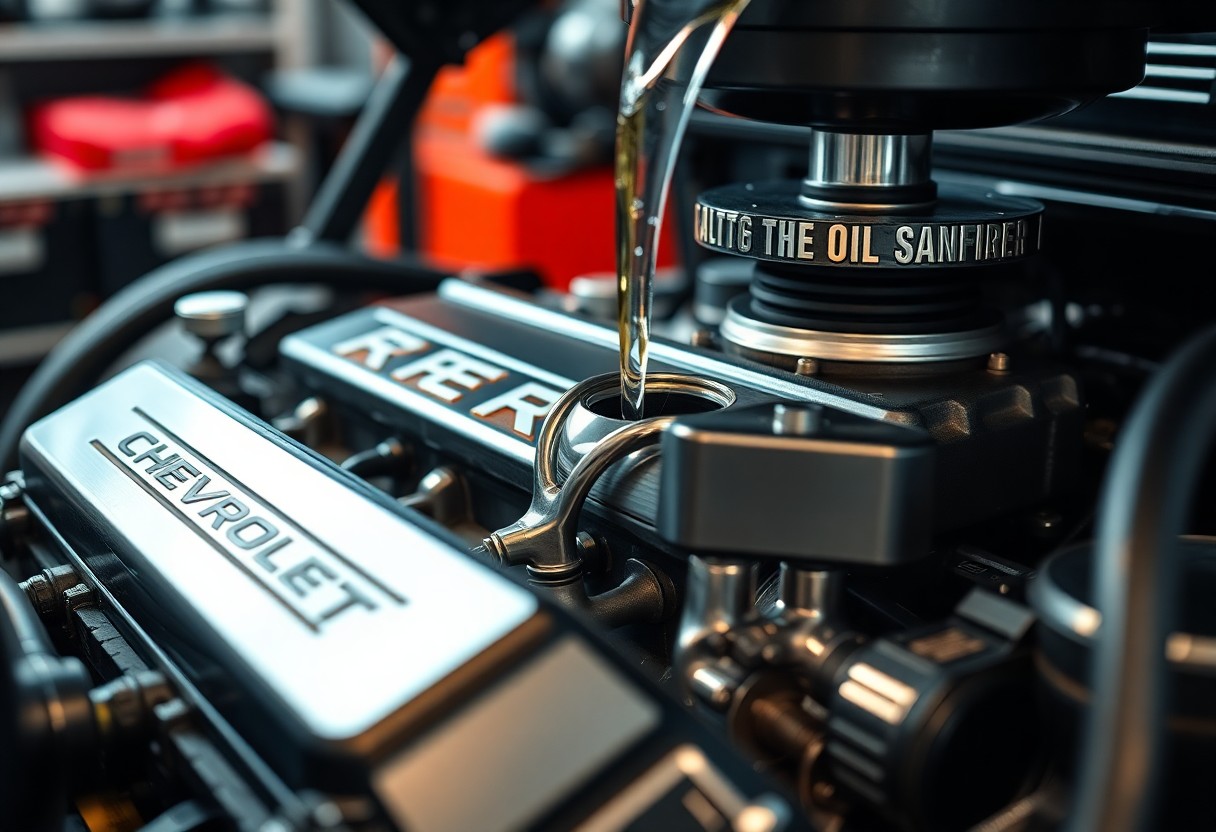
Synthetic motor oil provides you with enhanced performance and protection for your Chevrolet engine. By using synthetic oil, you can experience improved lubrication, which reduces friction and wear on engine components. This type of oil also offers better temperature stability, ensuring your engine runs smoothly under various conditions. Additionally, synthetic oil is less prone to oxidation and breakdown, extending your oil change intervals and ultimately saving you money. With these benefits in mind, switching to synthetic motor oil could be a smart move for the longevity and efficiency of your vehicle.
Understanding Synthetic Motor Oil
Synthetic motor oil is engineered through advanced chemical processes that create a product optimized for engine performance and longevity. Unlike conventional oil, which is derived from crude oil, synthetic oil offers enhanced temperature stability and improved lubricating properties. This means that your Chevrolet engine operates more efficiently under a variety of conditions, whether in extreme heat or cold.
Types of Synthetic Motor Oil
There are primarily three types of synthetic motor oil: full synthetic, synthetic blend, and premium conventional oil. Full synthetic oil is made entirely from synthetic base stocks, providing superior protection and performance. Synthetic blends contain a mixture of synthetic and conventional base oils, allowing for enhanced protection while being more affordable. Premium conventional oil, while not technically synthetic, may include additives that improve performance over standard conventional oils.
| Type | Description |
| Full Synthetic | Engineered for superior performance and protection. |
| Synthetic Blend | Combination of synthetic and conventional oils. |
| Premium Conventional | Improved formulation over standard oils. |
| Application | Best suited for high-performance engines. |
Key Factors Influencing Choice
Several factors influence your choice of synthetic motor oil for your Chevrolet engine. The manufacturer’s recommendations play a significant role, as some engines are designed to work optimally with specific oil types. Additionally, your driving habits, such as frequency and conditions (towing, stop-and-go traffic), can determine the best oil for your needs. Moreover, considering the climate in which you drive is important, as different temperatures can affect oil viscosity and performance.
- Manufacturer’s recommendations
- Driving habits
- Climate
- Oil viscosity
- Cost considerations
Knowing these factors will help you select the right synthetic oil that not only meets the performance requirements of your Chevrolet but also aligns with your budget and driving style. You should also be aware of warranty considerations when making your choice, as using the recommended types can help maintain your vehicle’s coverage.
- Performance requirements
- Budget
- Warranty considerations
- Oil change frequency
- Environmental factors
Knowing the nuances in your vehicle’s requirements and the types of oil available will equip you with valuable insight into maintaining your Chevrolet engine efficiently. Trends in technology and research also indicate that advances in synthetic oil formulations may lead to even greater performance enhancements in the near future.
Advantages of Synthetic Motor Oil for Chevrolet Engines
Enhanced Engine Performance
Your Chevrolet engine operates at its best when using synthetic motor oil, which provides superior lubrication compared to conventional oils. This enhanced lubrication reduces engine friction significantly, allowing components to work more efficiently. As a result, you may notice improved throttle response and better acceleration, contributing to a smoother driving experience. Synthetic oils are also engineered to maintain their viscosity under extreme temperatures, ensuring optimal performance whether you’re cruising on the highway or navigating city traffic.
Improved Fuel Efficiency
Switching to synthetic motor oil can lead to a marked improvement in fuel efficiency for your Chevrolet. The reduced friction and superior flow characteristics allow your engine to work less hard, which translates into less fuel consumption. Studies have shown that vehicles using synthetic oils can achieve up to a 2-5% increase in fuel economy. This not only saves you money at the pump but also contributes to lower emissions, making your driving experience more eco-friendly.
Your Chevrolet’s engine benefits from the lower drag provided by synthetic oil, which helps maintain consistent power delivery. As it allows for more efficient combustion, you’ll find that the overall performance synergy not only elevates your driving experience but also prolongs the lifespan of engine components, all while optimizing your fuel budget.
Tips for Selecting the Right Synthetic Motor Oil
- Check the manufacturer’s recommendations for your specific Chevrolet model.
- Look for oil that meets API and ILSAC standards for performance.
- Select the appropriate viscosity grade for your climate and driving habits.
- Consider synthetic oils with additional additives for enhanced protection.
Reading Specifications
Understanding the specifications on the motor oil label can profoundly impact your engine’s performance. Each oil container will list the API (American Petroleum Institute) certification, which indicates the oil’s performance level. For Chevrolet engines, look for oils rated SN or newer, ensuring you are using a product suitable for modern engines.
The SAE viscosity grade is another critical detail. It is typically displayed in a format like 5W-30. The first number represents the oil’s viscosity at low temperatures, while the second number indicates viscosity at high temperatures. Choosing the right grade helps maintain optimal engine performance, enhancing fuel efficiency and cold start behavior.
Considering Driving Conditions
Your specific driving conditions play a significant role in selecting synthetic motor oil. If your Chevrolet is primarily used for short trips with frequent stops, choose an oil that excels in low-temperature performance. Conversely, if you engage in long highway drives or towing, a synthetic oil with high thermal stability can prevent breakdown and ensure longevity.
Conditions like extreme heat or cold should also influence your choice. In regions with particularly hot summers, consider a higher viscosity oil to maintain a protective film on engine parts. Alternatively, in colder climates, a lower viscosity oil ensures sufficient lubrication during cold starts, reducing engine wear. Any decision should prioritize your vehicle’s needs based on typical scenarios you encounter on the road.
Step-by-Step Guide to Changing Synthetic Motor Oil
Necessary Tools and Materials
| Oil Filter Wrench | Essential for removing the old oil filter without damaging it. |
| Socket Set | Used for removing the oil drain plug to allow old oil to flow out. |
| Oil Catch Pan | To collect the draining old oil and prevent spills. |
| New Oil Filter | Must be compatible with your Chevrolet model; inspect for quality. |
| Synthetic Motor Oil | Choose the grade recommended for your Chevrolet engine. |
| Funnel | Makes pouring the new oil into the engine easier and cleaner. |
Procedure for Oil Change
Start by parking your Chevrolet on a level surface and turning off the engine. Allow the engine to cool for at least 30 minutes to avoid burns. Using a socket set, remove the oil drain plug and let the old oil flow into the oil catch pan. Once fully drained, reinstall the drain plug and tighten it securely to prevent leaks.
Next, remove the old oil filter with the oil filter wrench. Apply a thin layer of new synthetic motor oil to the gasket of the new filter before installing it. This helps create a proper seal and makes future removal easier. Once the filter is installed, use a funnel to pour the new synthetic motor oil into the engine. Check the level using the dipstick, and add more oil if necessary to reach the recommended level.
Additional Insights on Procedure for Oil Change
Inspecting the old oil for particles or metal shavings during the drain process can provide valuable insights into the engine’s health. If you notice any unusual debris, further investigation might be warranted. After changing the oil, running the engine for a few minutes before checking the oil level again allows the new oil to circulate fully, ensuring you capture the accurate level for optimal performance.
Pros and Cons of Synthetic Motor Oil
| Pros | Cons |
|---|---|
| Improved engine performance | Higher initial cost |
| Better temperature resistance | May cause leaks in older engines |
| Extended oil change intervals | Potential for oil consumption issues |
| Enhanced lubrication properties | Compatibility issues with some formulations |
| Reduces engine wear | Less widely available than conventional oils |
| Better fuel efficiency | Requires careful selection of oil types |
| Superior cold starts | Potential over-specification |
| Environmentally friendly options available | Some synthetic oils degrade faster in heat |
| Reduces engine deposits | Misconceptions about performance benefits |
| Better shear stability | Higher marketing costs |
Benefits of Using Synthetic Oil
Synthetic motor oil significantly enhances your engine’s functionality due to its superior formulation. It provides advanced protection against wear and maintains more consistent viscosity across varying temperatures. This means your Chevrolet runs optimally, whether it’s sweltering summer heat or frigid winter cold, which translates to improved engine efficiency and overall performance.
Opting for synthetic oil can also mean longer intervals between oil changes. Many synthetics can maintain their efficacy for up to 10,000 to 15,000 miles, compared to 3,000 to 5,000 miles typically recommended for conventional oils. This not only saves you money on maintenance but also contributes to less frequent oil disposal, making it an environmentally friendly choice.
Potential Drawbacks to Consider
While synthetic motor oil offers numerous benefits, it’s important to weigh the potential drawbacks. One of the most notable concerns is the higher initial cost compared to conventional oil, which may deter some owners. Additionally, older engines that were not designed for synthetic oil may experience leakage or other issues due to the oil’s lower viscosity.
Compatibility with older engine models is a critical factor to consider, as switching to synthetic oil can sometimes lead to unintended consequences. Even if your vehicle can utilize synthetic oil, it may require specific formulations to avoid oil consumption issues. Choosing the right product is vital and should align with your Chevrolet’s specifications to ensure optimal performance.
Summing up
Upon reflecting, you can clearly see that synthetic motor oil offers significant advantages for your Chevrolet engine. Its superior lubricating properties reduce friction more effectively than conventional oils, leading to enhanced performance and efficiency. This is particularly beneficial in extreme temperatures, whether it’s hot summer days or frigid winter nights, ensuring your engine operates smoothly under various conditions.
Additionally, you’ll appreciate the extended oil change intervals that synthetic motor oil provides, allowing you to save both time and money on maintenance. Its ability to resist breakdown and maintain viscosity over time means you can enjoy longer intervals between changes without compromising engine protection. Ultimately, choosing synthetic motor oil is a smart investment in your Chevrolet’s longevity and reliability.

October 8, 2025