
09
Oct
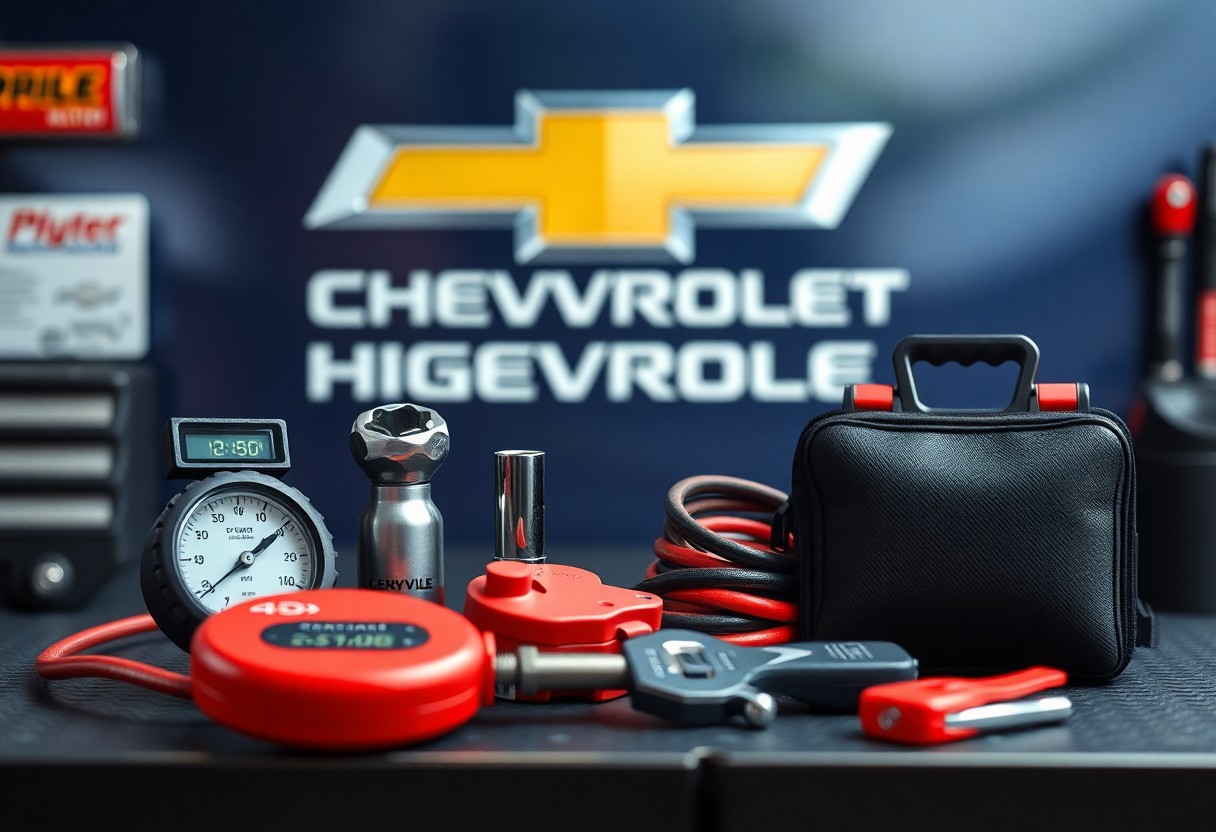
This guide outlines the vital tools you need as a Chevrolet owner to ensure your vehicle operates safely and efficiently. Having the right tools at your disposal can help you tackle basic maintenance tasks, address unforeseen issues, and ultimately save you money on repairs. From simple hand tools to specialized equipment, being prepared will empower you to manage your vehicle’s needs with confidence. Equip yourself with this knowledge and enhance your ownership experience.
Types of Essential Tools
Concerning maintaining your Chevrolet, having the right tools makes all the difference. The tools can broadly be categorized into basic hand tools and specialty tools, each serving unique purposes in vehicle upkeep. Understanding the specific tools in each category allows you to tackle various tasks confidently.
| Basic Hand Tools | Specialty Tools |
| Wrench set | OBD-II scanner |
| Screwdriver set | Torque wrench |
| Pliers | Diagnostic tools |
| Socket set | Fuel line wrench |
| Hammer | Brake bleeder kit |
Basic Hand Tools
Every Chevrolet owner should have a reliable set of basic hand tools to address routine tasks and minor repairs. A comprehensive wrench set that includes both standard and metric sizes is important for various bolts and nuts found throughout your vehicle. Pair this with a complete screwdriver set, featuring both flathead and Phillips heads, for handling screws on panels and components.
Additionally, pliers are handy for gripping, twisting, and cutting wires or hoses. A socket set allows you to reach fasteners in tight spaces, making it easier to work on components like the engine and transmission. These tools serve as the foundation for any effective maintenance routine, and having them readily available can save you time and hassle.
Specialty Tools for Chevrolet Models
Each Chevrolet model may require specific specialty tools to ensure proper maintenance and repair. For instance, an OBD-II scanner is invaluable for diagnosing issues within your vehicle’s computer system. This tool provides access to error codes and can help you pinpoint problems before they escalate. Likewise, a torque wrench is crucial for adhering to manufacturer specifications when tightening bolts, ensuring optimal performance and safety.
Tools like the brake bleeder kit are particularly relevant for models with hydraulic brakes, allowing you to efficiently remove air from the brake system. Other models may require unique tools, such as a fuel line wrench for those equipped with fuel injection systems, ensuring that you can service these components safely and effectively.
Any Chevrolet owner should invest in these specialty tools to handle tasks specific to their vehicle’s make and model. This not only aids in accurate repairs but also enhances the longevity of your Chevrolet, ensuring it remains in peak condition for years to come.
Tips for Choosing the Right Tools
Selecting the appropriate tools for your Chevrolet can greatly enhance your maintenance experience. Focus on tools that meet your specific needs and ensure compatibility with your vehicle model. Opt for reputable brands known for durability and reliability, as this helps in long-term investment.
- Compatibility with your vehicle
- Quality over price
- Variety of tools for different jobs
- Ergonomics to reduce strain during use
This proactive approach can lead to smoother, more efficient repairs and maintenance, ultimately enhancing the overall lifespan of your Chevrolet.
Consider Vehicle Usage
Your usage patterns play a significant role in tool selection. If you frequently perform DIY repairs or modifications, investing in a comprehensive toolkit with various wrenches, sockets, and specialty tools will serve you well. For occasional tasks, a basic set may suffice, but having a few key tools can make all the difference in efficiency and effectiveness.
Assess whether your Chevrolet is primarily for daily commuting, long road trips, or off-roading adventures. Different scenarios require different tools; for instance, off-roading enthusiasts might need tools designed for heavier-duty applications, while daily drivers benefit from standard maintenance tools.
Budgeting for Quality
Planning for a proper budget allows you to prioritize vital tools first and gradually expand your collection based on ongoing needs. Employees in the automotive industry often recommend examining warranty options that accompany tools, as a solid warranty can protect your purchase and enhance the value you derive from it. This comprehensive approach to budgeting helps ensure you have the right tools for every situation, enhancing both safety and efficiency during maintenance.
Step-by-Step Guide to Tool Maintenance
Maintenance Table
| Task | Frequency |
| Cleaning and Storage | After each use |
| Regular Inspections | Monthly |
| Calibration Checks | As needed |
Cleaning and Storage
Keeping your tools clean is not just about appearance; it prevents rust and prolongs lifespan. After each use, wipe down your tools with a cloth to remove dirt, grease, or moisture. For stubborn residues, consider using a gentle solvent or cleaner that won’t damage the tool’s surface. Store them in a dry place, ideally in a toolbox or on a shelf, to protect them from humidity and accidental damage.
Organization plays a significant role in maintaining your tools. You can use trays, pegboards, or magnetic strips to keep your tools visible and easily accessible. Avoid clutter by assigning a specific place for each tool; this helps you quickly find what you need while preventing unnecessary wear and tear.
Regular Inspections
Monthly inspections of your tools can help catch potential issues before they become significant problems. Look for signs of wear, such as rust, fraying wires, or cracks. Pay special attention to cutting edges on tools like knives or wrenches, as a small nick can lead to more severe damage during use.
Checking your tools regularly allows you to maintain optimal performance and ensures safety. Keep a log of inspections noting any changes, repairs made, or parts that need replacements. This routine not only promotes safety but also enhances the efficiency of your maintenance tasks.
Regular inspections should include checking power cords for fraying and ensuring the tool functions as intended. If you notice anything amiss, address it immediately—delaying repairs can lead to more extensive damage or injury. Your vigilance in maintaining tools reflects your commitment to not only preserving your equipment but also ensuring safe, effective use during maintenance tasks on your Chevrolet.
Factors to Consider When Selecting Tools
Your choice of tools is paramount for effective vehicle maintenance. Evaluating several factors can enhance longevity and performance. Think about the following points:
- Compatibility with specific Chevrolet models
- Quality of materials
- Ergonomics for user comfort
- Brand reputation for reliability
- Warranty offerings for financial protection
Selecting the right tools ensures your maintenance tasks run smoothly and efficiently. Thou shalt not overlook the importance of choosing tools that are compatible with your Chevrolet’s specifications to prevent costly mistakes.
Compatibility with Chevrolet Models
Understanding your specific Chevrolet model is crucial when selecting tools. Different models may have unique design features or specifications, such as torque requirements, which can impact tool selection. For example, a Chevrolet Silverado might require different socket sizes compared to a Chevrolet Malibu, and using the incorrect size can lead to damage during maintenance. Having the correct tools on hand means you can work more efficiently without unnecessary delays.
Consulting your vehicle’s manual is an excellent starting point for identifying what tools you’ll need. Besides standard tools like wrenches or screwdrivers, you may need model-specific tools such as special socket sets or diagnostic equipment tailored for your vehicle’s systems. Ensuring compatibility minimizes the risk of damaging components and enhances the overall maintenance experience.
Tool Longevity
Investing in high-quality tools will not only improve your efficiency but also extend the lifespan of your equipment. Tools made from durable materials, such as high-carbon steel or chromium-vanadium, offer greater resistance to wear and tear compared to lower-grade options. Using these tools correctly and maintaining them regularly will also help in prolonging their usability. Additionally, tools that feature protective coatings can withstand rust and corrosion, particularly in environments where moisture is prevalent.
Evaluating user reviews and seeking tools from reputable manufacturers adds an extra layer of assurance in quality. Reports indicate that tools from established brands can last up to 50% longer than generic alternatives, offering better value in the long run. Thou must prioritize quality and maintenance to ensure the best performance from your tools.
Pros and Cons of DIY Maintenance
Pros and Cons
| Pros | Cons |
|---|---|
| Cost savings on labor fees | Initial tool investment can be high |
| Increased knowledge of your vehicle | Time-consuming if you lack experience |
| Flexible scheduling for maintenance | Potential for mistakes if not done correctly |
| Satisfaction from completing tasks yourself | Limited access to advanced tools and equipment |
| Ability to customize modifications | Some repairs may require professional expertise |
| Control over the quality of parts | Warranty issues with self-done repairs |
Advantages of Having Your Tools
Owning quality tools gives you the independence to tackle repairs and maintenance on your Chevrolet without relying on a mechanic. When you have the right equipment, you can perform regular maintenance tasks like oil changes and brake replacements, ensuring your vehicle stays in optimal condition and saving you money in the long run. Save time waiting at shops; you can schedule intimate maintenance whenever it suits you best.
Furthermore, your understanding of vehicle mechanics deepens as you work with the tools. Completing even simple tasks can enhance your confidence, fostering a greater appreciation for the inner workings of your Chevrolet. With each project, you build a repertoire of skills and insights that equip you to handle future tasks more efficiently.
Risks and Considerations
Engaging in DIY maintenance does come with inherent risks. Misdiagnosing an issue or using improper techniques can lead to larger problems down the line. Certain tasks, like transmission repairs or electrical work, require professional expertise that goes beyond the capabilities of most DIY enthusiasts. Accessibility to reliable repair guides and videos has improved, but misinformation is still common online, which can lead you astray.
Warranties can also be impacted if repairs are not completed to manufacturer specifications. Incorrect installations may void warranties, costing you more in the long term if issues arise post-repair. Research and preparation are vital to avoid pitfalls associated with DIY projects.
Recommended Tool Brands
Trusted Manufacturers
Choosing tools from reputable manufacturers ensures reliability and performance. Brands like Snap-on, Craftsman, and DeWalt have established themselves as leaders in the automotive tool industry. Snap-on, known for its premium quality, offers a lifetime warranty on many of its products, making it a favorite among professional mechanics and serious DIYers alike. Craftsman provides robust options with a strong warranty, while DeWalt excels in portable power tools, giving you versatile choices for your garage.
Specialty brands like Bosch and Makita are also worthy of consideration, especially for power and precision tools. Bosch is celebrated for its advanced engineering in power tools, whereas Makita is favored for battery-operated options that provide portability without sacrificing performance. Selecting tools from these trusted brands can significantly enhance your maintenance and repair capabilities.
Budget-Friendly Options
Quality tools don’t have to break the bank. Brands like Husky and Pit Bull offer affordable options without compromising important features you need for vehicle maintenance. Husky, available at Home Depot, provides a range of hand tools that are both durable and budget-conscious, making them ideal for everyday Chevy owners. Pit Bull tools, often available in discount stores, can help you build your collection without overspending.
Another brand to consider is TEKTON, known for its value-driven pricing and dependable performance. Offering a mix of hand and power tools, TEKTON aims to meet various DIY needs while staying wallet-friendly. Investing in these options allows you to assemble a comprehensive toolset that supports your Chevy’s upkeep without the financial strain.
Exploring budget-friendly tools doesn’t mean sacrificing quality. Many options feature warranties and provide adequate support for routine maintenance tasks. For example, investing in a Husky tool set allows you to access a wide range of hand tools that excel in performance, while still being cost-effective, enabling you to tackle repairs and upkeep with confidence.
Conclusion
So, as a Chevrolet owner, having the right tools at your disposal can greatly enhance your maintenance and repair experience. From basic items like a socket set and a torque wrench to specialized tools designed for specific tasks, each plays a vital role in ensuring your vehicle remains in optimal condition. Proper tools not only help you perform routine tasks effectively but also empower you to tackle more complex repairs when needed.
By investing in important tools, you can save time and money while gaining confidence in handling vehicle-related challenges. Being proactive about your Chevrolet’s upkeep will help prolong its lifespan and maintain its performance. Equip yourself with the right tools, and you will find that managing your vehicle’s care becomes a much more rewarding experience.

October 9, 2025