
13
Oct
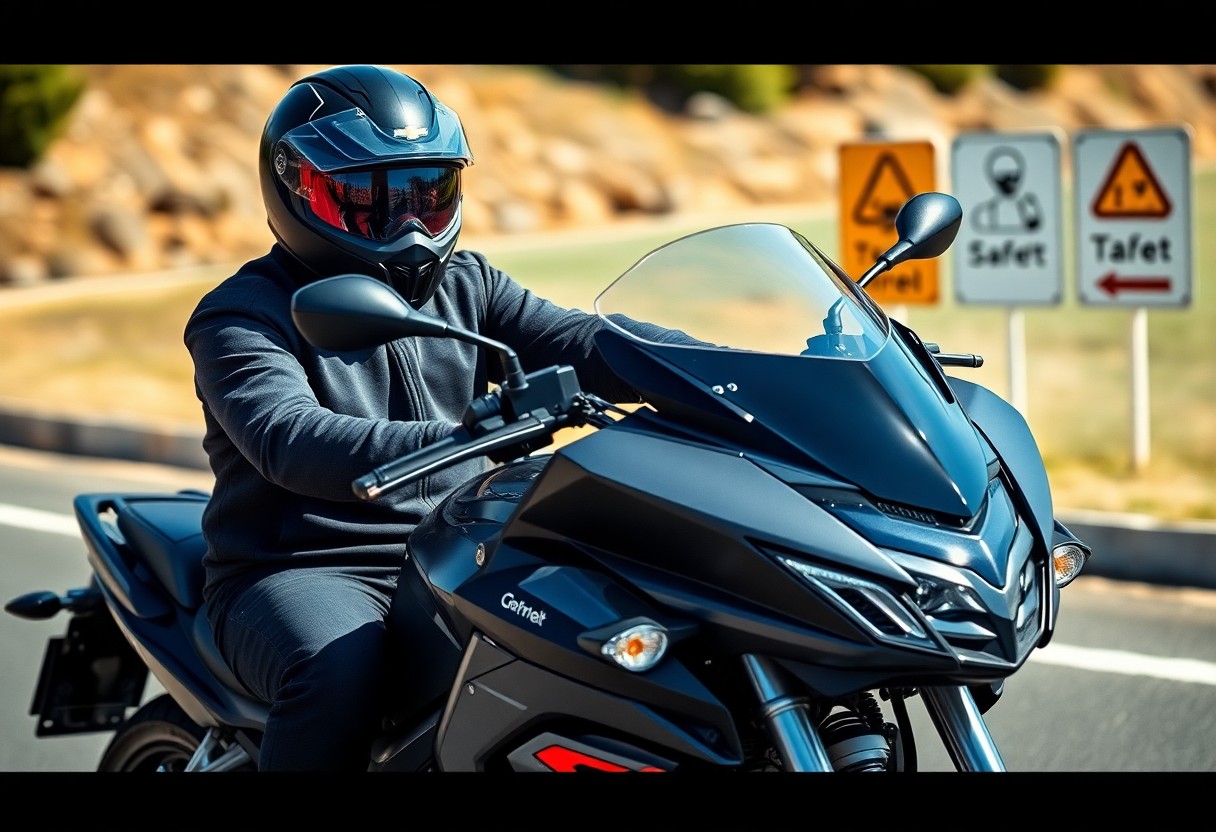
Over the thrilling journey of riding a Chevrolet motorcycle, your safety should be your top priority. By following these necessary safety tips, you can significantly reduce the risk of accidents and enhance your riding experience. Always wear the appropriate protective gear, maintain your motorcycle regularly, and stay alert to your surroundings. Understanding traffic laws and practicing defensive riding techniques will empower you to navigate the road safely. Embrace the freedom of the ride while prioritizing your well-being and that of others on the road.
Types of Chevrolet Motorcycles
| Type | Main Features |
|---|---|
| Sport Bikes | High performance, lightweight, aerodynamic design |
| Cruisers | Relaxed riding position, classic styling, larger engines |
| Touring | Comfort features, storage options, long-range capabilities |
| Dirt Bikes | Built for off-road performance, lightweight, rugged tires |
| Electric Bikes | Environmentally friendly, innovative technology, quiet operation |
Sport Bikes
Sport bikes from Chevrolet deliver an exhilarating riding experience, catering to those who crave speed and agility. These models feature high-performance engines that allow for rapid acceleration, typically ranging from 600cc to 1000cc. Utilizing an aerodynamic design, sport bikes are built for handling and responsiveness, perfect for twisty roads and racetrack settings. You will appreciate the advanced suspension systems and braking technologies that enhance stability and control during high-speed maneuvers.
A key characteristic of sport bikes is their lightweight construction, which enables sharp cornering and swift transitions. Designed for the enthusiast, models often incorporate cutting-edge technology like ride modes and traction control to optimize your performance on different surfaces. The seating position, however, leans more forward, emphasizing a sporty stance that can be physically demanding on long rides.
Cruisers
Cruisers embody the essence of relaxed riding, featuring a comfortable seating position that allows for long hours on the road without fatigue. Typically powered by larger engines, these motorcycles deliver steady torque, making them easy to handle at low speeds, which is perfect for city commuting or leisurely rides. The classic styling, often characterized by wide handlebars and low-slung frames, appeals to many riders seeking a vintage aesthetic coupled with modern performance.
Your cruising experience is enhanced through customization options typically available for these bikes, allowing you to tailor your ride to suit your personality and preferences. From the choice of seats to unique paint jobs and accessories, there is ample opportunity for personalization that reflects your individuality. This means whether you’re heading out for a weekend adventure or the daily commute, a cruiser delivers both comfort and style.
Riding a cruiser allows you to enjoy the open road at your own pace, making it a popular choice for both new and experienced riders alike. The relaxed geometry of the bike combined with the smooth power delivery ensures that you can savor every moment on your ride, all while maintaining a sense of control and confidence.
After exploring these various types of Chevrolet motorcycles, you’ll find a model tailored to your unique riding style and preferences.
Essential Safety Tips
- Always wear a helmet that meets safety standards.
- Opt for protective clothing made from durable materials.
- Maintain proper visibility with reflective gear.
- Perform regular motorcycle maintenance checks.
- Stay alert and avoid distractions while riding.
Riding a Chevrolet motorcycle requires smart choices to ensure your safety on the road. Being proactive about safety gear can make all the difference in an accident. Invest in a high-quality helmet that meets the standards set by organizations like the Department of Transportation (DOT) and the Snell Memorial Foundation. Additionally, protective clothing such as jackets, gloves, and pants made from abrasion-resistant materials can protect you from injuries. This gear not only shields your body but also enhances your visibility to other drivers.
Wear Protective Gear
Quality protective gear plays an imperative role in mitigating injuries during a fall. Choosing a full-face helmet provides greater protection for your head and face than open or half helmets. Look for jackets and pants that come equipped with armor at the shoulders, elbows, and knees. Visibility is often overlooked; incorporating bright colors or reflective materials can significantly improve your chances of being seen by other motorists, especially at night or in poor weather conditions. This layer of protection not only saves lives but keeps your riding experience enjoyable.
Maintain Your Motorcycle
Regular maintenance is key to ensuring your Chevrolet motorcycle is safe on the road. Checking tire pressure, brake fluid levels, and ensuring that all lights function properly should be part of your routine before every ride. Pay attention to the oil levels and regularly replace the oil and filters to keep your engine running smoothly. Keeping your motorcycle clean also allows you to spot any potential issues more easily, such as leaks or corrosion.
Staying on top of maintenance can save you from costly repairs and enhance your riding experience. Tires should be inspected for tread wear and damage since they directly impact your grip on the road. Regularly tightening bolts and inspecting the chain for proper tension and lubrication ensures that your motorcycle is functioning optimally. This diligence not only contributes to your safety but also prolongs the lifespan of your vehicle.
Step-by-Step Safety Checks
Pre-Ride Inspection
Before setting out, conduct a thorough pre-ride inspection. Start with checking the tire pressure and tread depth; both contribute significantly to handling and braking performance. Inspect the brakes for responsiveness and fluid levels, ensuring they are at the recommended levels. Look at the chain or belt, confirming it’s properly lubricated and adjusted to the correct tension. Ensure all lights, including headlights, taillights, and turn signals, are functioning properly, as visibility is key to avoiding accidents.
Next, take a moment to examine your motorcycle’s engine fluids. Check the oil, coolant, and brake fluid for appropriate levels, as low fluids can lead to engine or braking failures. Inspect your mirrors and adjust them to ensure maximum rear visibility. Lastly, don’t overlook your safety gear: inspect your helmet and wear appropriate clothing to enhance your protection on the road.
Road Condition Assessment
Evaluate the road conditions thoroughly before you ride. Look for surface hazards like potholes, gravel, or wet spots that could affect your stability. Pay attention to the weather since rain or impending storms can dramatically alter riding conditions and visibility. Adjust your speed and route accordingly to mitigate risks from the weather and road surface.
Stay alert for traffic patterns and local road rules that may change depending on time or area. Certain roads may have unexpected changes like construction zones or unmarked detours that require heightened awareness. Keeping your head on a swivel not only protects you but also allows you to react swiftly to any changes that may affect your safety.
Weather can have an immediate and dramatic impact on the road. For instance, wet roads reduce tire traction significantly, requiring slower speeds and a greater following distance. On the other hand, sunny days may bring blinded visibility from glare, necessitating extra caution at intersections and during lane changes. Understanding these variable conditions enables you to navigate with greater safety, adapting your riding style to various weather scenarios.
Factors Influencing Safety
Various factors play a significant role in enhancing your safety while riding your Chevrolet motorcycle. Awareness of these elements allows you to make informed decisions on the road. Some key factors include:
- Weather conditions
- Traffic awareness
- Rider experience
- Protective gear
Knowing how each of these factors impacts your riding experience can help you reduce risks effectively.
Weather Conditions
Adverse weather can drastically affect your riding safety. Rain, snow, and strong winds can reduce traction and visibility, making you more vulnerable to accidents. Wet roads are particularly dangerous because they can cause your tires to lose grip. In fact, statistics show that motorcycle accidents increase significantly during rainy weather due to decreased control over the vehicle. Always check the forecast before heading out, and if conditions are poor, consider postponing your ride.
Temperature can also impact your performance; excessive heat can lead to fatigue, hindering your reaction time. On the other hand, riding in cold weather without proper gear can lead to numbness, affecting your control and decision-making. Understanding how weather shifts can influence your safety enables you to prepare adequately and choose safer riding days.
Traffic Awareness
Your safety greatly depends on your ability to assess and respond to traffic conditions. High-traffic areas pose additional challenges, as cars and other vehicles can maneuver unpredictably. Anticipating the actions of drivers around you is crucial. Keep a safe distance and always be prepared to react to sudden stops. Utilizing your mirrors frequently can help you stay aware of surrounding vehicles, reducing the chance of collisions.
Motorcycles are less visible than larger vehicles, which makes vigilant riding important. Look for potential hazards, such as vehicles changing lanes without signaling or pedestrians suddenly crossing the street. Implementing defensive riding strategies, such as positioning yourself in areas where you can be easily seen, increases your overall safety while navigating through busy traffic environments. Knowing how to maintain an elevated alertness can significantly lower your risk on the road.
Pros and Cons of Riding
| Pros | Cons |
|---|---|
| Enhanced sense of freedom and adventure | Less protection than in a car |
| Higher fuel efficiency | Limited cargo space |
| Lower purchase and maintenance costs | Increased exposure to weather elements |
| Easier maneuverability in traffic | Higher likelihood of accidents |
| Strong sense of community among riders | Requires specific skills and training |
| Potential for higher adrenaline rush | Potential for higher insurance premiums |
| Good for short trips | Not ideal for long distances without breaks |
| Improved mental well-being through open-air riding | Risks of theft or vandalism |
| Access to smaller roads and areas | Noise pollution concerns |
| Ability to customize and personalize your bike | Weather can impact riding conditions |
Benefits of Riding a Motorcycle
Riding a motorcycle can amplify the feeling of freedom and independence, offering you an exhilarating way to explore the open road. The connection with your surroundings is heightened, allowing you to experience natural elements, sights, and sounds more vividly than when driving a car. The fuel efficiency of motorcycles not only provides monetary savings at the pump but also aligns with environmentally friendly practices, making it an attractive option for eco-conscious riders.
Social benefits also accompany motorcycle riding, fostering a sense of community among enthusiasts. Events, local chapters, and online forums connect you with fellow riders, sharing experiences and knowledge. This camaraderie can provide emotional support while enhancing your riding skills through shared tips and mentorship.
Risks Involved
Engaging in motorcycle riding does carry inherent risks, primarily due to the lack of physical protection compared to automotive vehicles. High-speed collisions, poor weather conditions, and unexpected obstacles can lead to severe injuries. The absence of a protective shell makes you more vulnerable, especially in traffic scenarios where visibility may be compromised.
Statistics indicate that motorcyclists face a 27 times higher risk of fatal accidents compared to car passengers, underscoring the need for comprehensive safety measures. The importance of wearing a helmet and appropriate gear can significantly reduce your risk of injury. Additionally, being mindful of road conditions, maintaining your motorcycle, and developing advanced riding skills are vital to mitigate these risks effectively.
Tips for New Riders
New riders can greatly enhance their experience by adopting a few key practices. Start by establishing a solid understanding of your motorcycle’s mechanics and controls. Familiarize yourself with necessary features such as the throttle, brakes, and clutch system. Spend time in a controlled environment, like an empty parking lot, to practice basic maneuvers, turning, and stopping. Taking it slow increases your confidence and helps you become comfortable with the bike’s behavior in various situations.
- Practice consistently in a safe environment.
- Know your motorcycle’s features before hitting the road.
- Wear appropriate safety gear to reduce injury risk.
- Stay aware of your surroundings to anticipate hazards.
Building skills takes time and dedication. Start with learning to balance and control your motorcycle at low speeds, and progressively increase your speed as you grow more confident. Participate in local riding groups or community classes to gain insights from experienced riders who can offer practical tips and support. Engaging with fellow bikers can also provide additional motivation and valuable advice tailored to your specific riding style.
Building Skills
As you develop your riding abilities, focus on refining your cornering and braking techniques. Smooth transitions while leaning into turns can significantly enhance your control and stability on the motorcycle. Additionally, practice emergency braking to understand how your motorcycle reacts under sudden stops. These skills not only improve your performance but also prepare you for unexpected situations on the road.
Riding in various weather conditions further helps solidify your skills. For instance, practicing riding in the rain allows you to better understand your motorcycle’s performance on slick roads, enabling you to develop strategies to maintain grip and avoid skidding. Elevating your skills in various environments builds confidence and prepares you for a broader range of riding experiences.
Choosing the Right Training
Investing time in proper training significantly influences your success as a new rider. Look for courses that cover necessary skills, safety techniques, and on-road practice. A well-structured training program can help you learn defensive driving strategies while providing insights into local traffic laws and regulations. These aspects are critical, as they equip you with knowledge that enhances your riding confidence and safety.
Opting for training that involves hands-on experience under the guidance of certified instructors ensures you receive tailored advice fitted to your skill level. Such programs often include classroom lessons paired with practical riding sessions, which allows for immediate application of newly learned techniques. Participating in a reputable motorcycle safety course strengthens your foundation, making you a more competent rider overall.
Conclusion
To wrap up, safety should always be your top priority when riding a Chevrolet motorcycle. Ensure that you consistently wear proper protective gear, including a helmet, gloves, and sturdy boots, to minimize the risk of injury in case of an accident. Familiarize yourself with your motorcycle’s features and specifications, as understanding its handling and performance can greatly enhance your riding experience and safety on the road.
Additionally, practice defensive riding techniques and stay vigilant about your surroundings. Maintaining a safe distance from other vehicles, anticipating potential hazards, and obeying traffic laws will contribute significantly to your safety. By integrating these tips into your riding habits, you can enjoy the freedom and exhilaration of riding your Chevrolet motorcycle while prioritizing your well-being.

October 13, 2025