
14
Oct
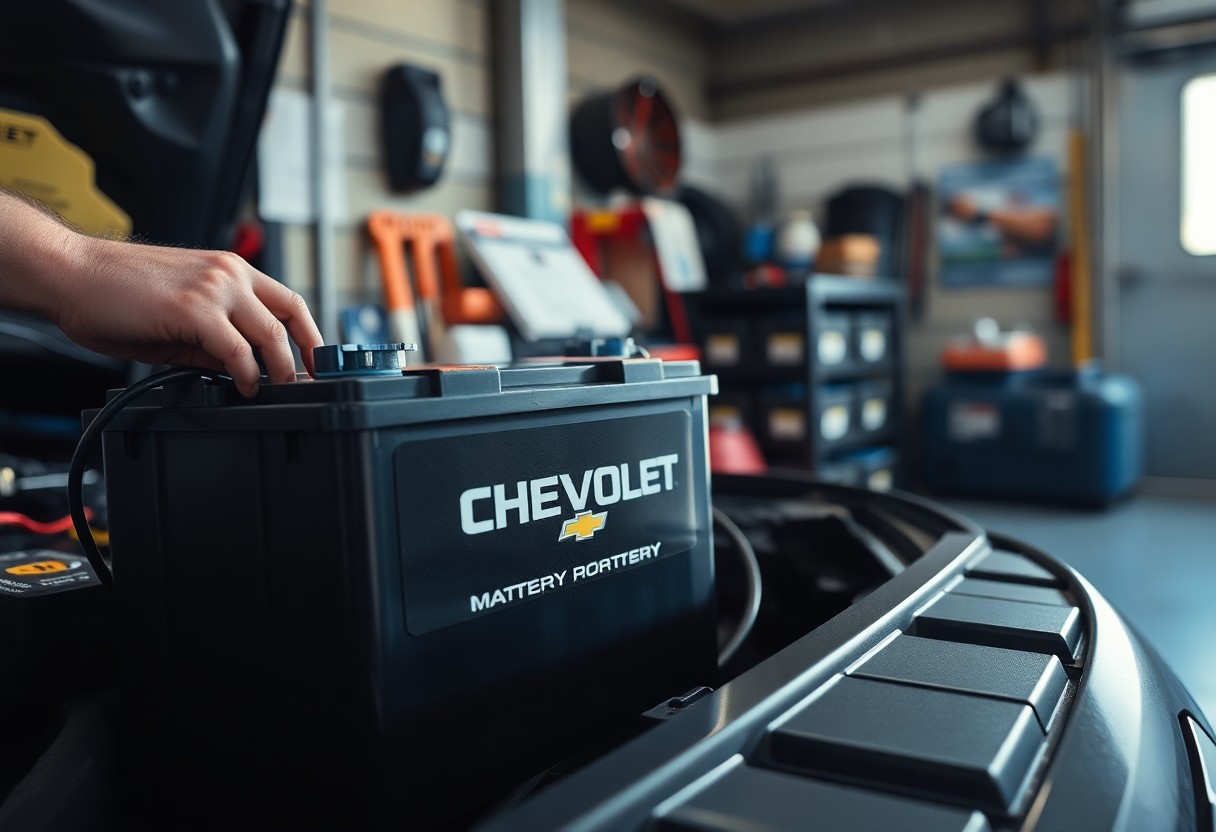
There’s a lot you can do to ensure your Chevrolet battery lasts longer and performs efficiently. By following simple maintenance practices and making informed decisions about usage, you can significantly enhance battery health. Regularly checking connections, avoiding excessive short trips, and keeping the battery clean will help prevent issues. Additionally, utilizing a battery maintainer can be beneficial, especially during extreme weather conditions. Take proactive steps today to maximize the lifespan of your battery and ensure reliable performance for years to come.
Types of Chevrolet Batteries
Understanding the various types of batteries available for your Chevrolet is crucial for maintaining your vehicle’s performance. Each battery type is designed with specific technologies to cater to different driving needs. The most common options you will encounter are Lead-Acid Batteries and Absorbent Glass Mat (AGM) Batteries, both of which serve distinct purposes and offer varying benefits.
| Battery Type | Description |
| Lead-Acid Batteries | Traditional option; reliable and cost-effective. |
| Absorbent Glass Mat (AGM) Batteries | Sealed technology; offers higher power and durability. |
| Flooded-Lead Acid | Less maintenance; more affordable. |
| Enhanced Flooded Batteries | Improved cycle life and performance over standard flooded. |
| Car-Ready Lithium Batteries | Lightweight; longer lifespan; expensive. |
Lead-Acid Batteries
Commonly used in many Chevrolet vehicles, Lead-Acid Batteries are widely recognized for their affordability and reliability. These batteries consist of lead plates immersed in a sulfuric acid electrolyte, generating sufficient power to start your engine and run electrical accessories. Typically, this type of battery can last between 3 to 5 years, depending on your driving habits and environmental conditions.
Despite being economical, lead-acid batteries require regular maintenance. Keeping the terminals clean and ensuring the electrolyte levels are adequate can significantly enhance their lifespan. Additionally, these batteries may be susceptible to sulfation, especially when left in a discharged state for prolonged periods. You can prevent this condition by avoiding deep discharges and regularly charging the battery.
Absorbent Glass Mat (AGM) Batteries
Absorbent Glass Mat (AGM) Batteries represent a more advanced technology designed for those who demand higher performance. Unlike traditional lead-acid batteries, AGM batteries utilize a fiberglass mat to absorb the sulfuric acid, providing a sealed, spill-proof system. This design allows for faster recharging and a higher resistance to vibrations, making them ideal for heavy-duty applications.
AGM batteries typically offer a longer lifespan, sometimes exceeding 7 years, which reflects their enhanced durability. Their ability to perform well in extreme temperatures and high-demand situations, such as during stop-and-go traffic or heavy accessory use, positions them as a solid choice for many Chevrolet models. Perceiving their advantages can help you decide if they are worth the additional investment.
Considering the benefits of Absorbent Glass Mat (AGM) Batteries, they often come with a higher price tag compared to lead-acid options. However, the investment is justified by their longevity, performance, and reduced maintenance requirements. They are particularly suited for vehicles with numerous electronic features or those operating in more demanding conditions, proving that the right battery choice can play a vital role in your Chevrolet’s reliability.
Factors Affecting Battery Life
Numerous factors influence the lifespan of your Chevrolet battery. Understanding these components can help you adopt the right maintenance practices. Here are some key elements:
- Temperature: Extreme weather can strain your battery.
- Driving Habits: Frequent short trips can prevent a full charge.
- Battery Maintenance: Regular checks can identify issues before they escalate.
- Electrical Load: Excessive use of electronics can drain your battery faster.
This knowledge equips you to take proactive measures that can extend battery life significantly.
Weather and Temperature
Both extreme heat and cold can accelerate battery deterioration. High temperatures can cause fluids to evaporate, leading to internal damage and reduced efficiency. Conversely, a cold environment can lead to thicker engine oil and higher battery drain during starting, which requires more from the battery than usual. In fact, studies show that for every 10-degree drop in temperature, your battery’s cranking power decreases by up to 35%.
Effects of Weather on Battery Life
| Condition | Impact on Battery |
| High Heat | Evaporation of battery fluids, reduced lifespan |
| Extreme Cold | Increased starting power requirements, reduced efficiency |
This showcases the importance of storing your car in temperature-regulated environments, especially during extreme weather conditions.
Driving Habits
Your driving habits significantly influence the longevity of your battery. Short trips prevent the battery from reaching a full charge, which can lead to sulfation—a condition where lead sulfate crystals form and diminish performance. Ideally, a drive of at least 30 minutes is recommended to ensure the battery fully charges and maintains optimal health. Additionally, frequent stop-and-go driving can lead to overheating, further stressing the battery.
Regular long drives can be beneficial as they allow your battery to recharge properly. If you primarily engage in short trips, consider investing in a battery maintainer or trickle charger. These devices can help maintain an ideal charge level during periods when the vehicle isn’t used regularly.
Tips for Extending Battery Life
Regular Maintenance
Conducting regular maintenance on your battery can significantly enhance its lifespan. Check the battery’s water level if it’s a non-sealed model; ensure that it remains filled to the appropriate level. Additionally, test the battery voltage periodically using a multimeter, which can indicate when your battery is losing charge. A healthy battery should measure around 12.6 volts when fully charged. Keeping track of these parameters helps you catch issues early, potentially saving you from inconvenient breakdowns.
A visual inspection is also beneficial. Look for signs of corrosion around the terminals, which can impact conductivity and overall performance. Cleaning off any buildup with a mixture of baking soda and water can restore optimal function. Ensure your battery terminals are securely connected to prevent any loss of power that could strain the system over time. You’ll find that a bit of effort in maintenance translates to longer battery life.
Keeping Connections Clean
Maintaining clean connections at the battery terminals is important for optimal performance. Corrosion and dirt can hinder the flow of electricity and lead to increased wear on your battery. Use a wire brush or terminal cleaner to remove any buildup, ensuring the metal is free of contaminants. After cleaning, applying a thin layer of petroleum jelly or battery terminal grease can help prevent future corrosion.
Another effective practice involves regularly checking the tightness of the terminal connections. Loose connections can cause intermittent power loss, which stresses your battery and can shorten its life. Tightening the connections not only stabilizes performance but also minimizes the chances of developing further corrosion. Assume that by consistently maintaining clean and tight connections, you can significantly improve the reliability and longevity of your Chevy’s battery.
Step-by-Step Maintenance Guide
| Maintenance Task | Details |
|---|---|
| Routine Inspections | Regular visual checks, cleaning terminals, and measuring voltage. |
| Proper Charge Practices | Avoid overcharging, ensure connections are secure, and choose appropriate chargers. |
Routine Inspections
Performing routine inspections on your battery ensures that potential issues are identified before they lead to failure. Start by examining the battery for any signs of corrosion or damage. Corroded terminals can impede the electrical flow, so keeping them clean is vital. Test the battery voltage using a multimeter; a healthy battery will read between 12.4 to 12.7 volts when fully charged.
Additionally, inspect the physical condition of the battery casing for cracks or swelling, which can indicate internal damage. A well-maintained battery not only lasts longer but also operates more efficiently, contributing to your vehicle’s overall performance.
Proper Charge Practices
Charging your battery correctly can significantly extend its lifespan. Use a charger that matches your battery type and avoid leaving the battery on the charger longer than necessary, as overcharging can generate excessive heat. Ensuring that connections are secure at both the charger and the battery prevents performance issues. If you notice that your battery is frequently losing charge, consider using a trickle charger to maintain its health without the risks associated with conventional charging methods.
Pay attention to charging patterns, particularly in extreme weather conditions. Cold temperatures can diminish battery capacity, so in winter months, keeping your battery topped off can prevent it from failing unexpectedly. Conversely, high heat can accelerate battery fluid evaporation, leading to reduced performance. Monitoring these factors and adjusting your charging routine accordingly plays a significant role in maintaining your battery’s longevity.
Pros and Cons of Different Battery Types
Battery Type | Pros and Cons
— | —
Lead-Acid | Affordable, widely available, recyclable, reliable for starting engines, good cold-cranking amps.
AGM | Better vibration resistance, longer lifespan, lower self-discharge rate, maintenance-free, safer with no spillage.
Lithium-Ion | Lightweight, high energy density, longer lifespan, fast charging, low self-discharge.
Gel Cell | Leak-proof, works well in extreme temperatures, maintenance-free, stable voltage, good deep cycle capability.
Flooded Lead-Acid | Low initial cost, easy to replace, robust performance, widely used in various vehicles, higher maintenance needs.
Advantages of Lead-Acid Batteries
Lead-acid batteries are a popular choice for many Chevrolet vehicles due to their cost-effectiveness. They offer a reliable starting power for engines, making them suitable for typical driving conditions. With their ability to deliver high bursts of current, these batteries are particularly beneficial for vehicles requiring strong cranking amps in colder temperatures. Additionally, lead-acid batteries are easy to find and replace, ensuring you can quickly get back on the road in emergencies.
Their recyclable nature adds to their appeal, aligning with environmentally-conscious practices. You can also expect a decent lifespan from lead-acid batteries when properly maintained. They are particularly advantageous for drivers who do not want to invest heavily in battery technology or for those who drive less frequently, as these batteries provide good performance in standard conditions without the added features of high-end options.
Disadvantages of AGM Batteries
AGM batteries, while praised for their durability, come with a higher price point compared to traditional lead-acid options. This upfront cost can deter some Chevrolet owners from choosing them, especially if they are unaware of their long-term benefits. Additionally, AGM batteries require specific charging methods; using incorrect chargers can lead to reduced efficiency or even permanent damage. Their construction, while safe from leaks, means they can be more sensitive to extreme temperatures, affecting performance if the vehicle is not properly maintained.
Another downside is the weight of AGM batteries, which can be an issue for those looking to optimize vehicle performance or fuel efficiency. While they hold a charge longer than traditional batteries, discharging them too much can significantly diminish their lifespan, making proper usage and management imperative for obtaining the best results.
Common Myths About Battery Longevity
Misconceptions About Battery Usage
Many believe that short trips will ruin your battery’s lifespan, as they don’t allow enough time for the alternator to charge it adequately. However, the real factor affecting battery life is the overall driving habits over time. Frequent short trips can lead to incomplete charging cycles, but if you make a habit of longer drives regularly, your battery can still perform optimally. Additionally, another common myth is that if your lights work, your battery is fine, but battery performance can degrade silently, leading to unexpected failures.
Some vehicle owners also think that using a higher-capacity battery is necessary for optimal performance, but this isn’t true. Your Chevrolet is designed to work best with a specific battery size and capacity. Replacing it with an oversized battery may lead to improper fit, which in turn can affect the vehicle’s electrical systems and decrease overall battery life.
Truth Behind Battery Lifespan
The average lifespan of a car battery is often around 3 to 5 years, depending on various factors such as climate, driving habits, and maintenance practices. Extreme temperatures can negatively impact performance, with heat being particularly damaging, accelerating the chemical reactions that lead to battery degradation. Ensuring proper ventilation and avoiding prolonged exposure to extreme conditions can extend battery life significantly.
Furthermore, charging cycles play an important role in the health of your battery. Lithium batteries, commonly found in electric vehicles, typically endure more cycles than traditional lead-acid batteries. A deep discharge followed by a complete recharge can shorten the lifespan of conventional batteries, while frequent, shallow discharges are generally better for maintaining health.
To wrap up
On the whole, extending the life of your Chevrolet battery involves consistent maintenance and mindful practices. By regularly cleaning the terminals and ensuring a secure connection, you can prevent corrosion and power loss. Additionally, scheduling periodic checks at your mechanic or dealership will help identify any potential issues before they lead to battery failure.
Moreover, being cautious with your driving habits can also play a significant role. Avoiding excessive short trips allows your battery to fully recharge, while using your vehicle regularly keeps it in optimal condition. By implementing these strategies, you can significantly enhance the longevity of your battery, ensuring reliable performance for years to come.

October 14, 2025