
22
Oct
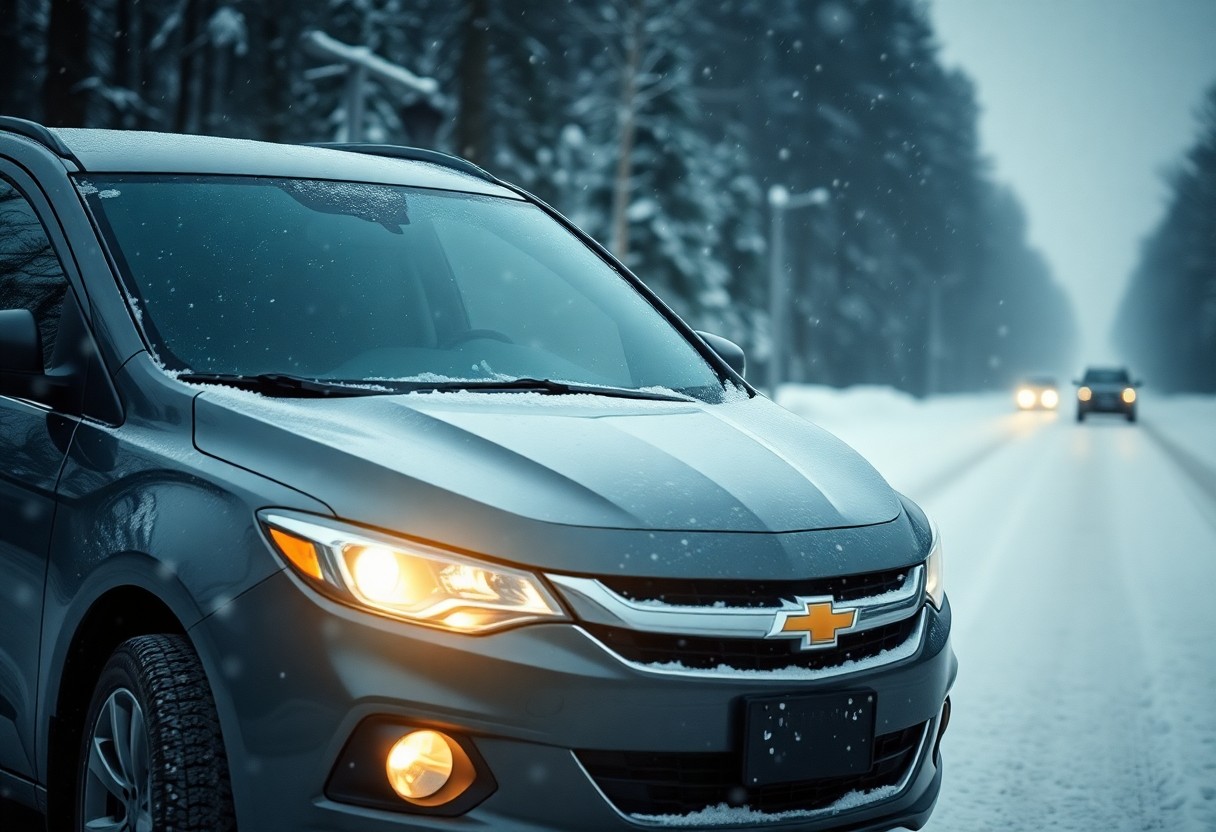
Many drivers underestimate the dangers of winter driving, especially when behind the wheel of a Chevrolet. To ensure your safety and the safety of others, it’s necessary to adapt your driving habits to harsh weather conditions. This guide provides you with key strategies to enhance your vehicle’s performance while navigating snowy roads, such as maintaining proper tire pressure, using winter tires, and understanding braking distances. By following these tips, you can enjoy a safer driving experience throughout the winter months.
Types of Weather Conditions
Understanding the variety of weather conditions you might face while driving your Chevrolet in winter is vital. Each type presents unique challenges that require thoughtful preparation and response. You should tailor your driving techniques to adapt to the specific threats posed by snow, ice, rain, and slush. Being aware of how these elements affect traction and visibility can make a significant difference in your safety.
| Weather Condition | Driving Tip |
|---|---|
| Snow | Reduce your speed and increase your following distance. |
| Ice | Brake gently to avoid skidding; avoid sudden movements. |
| Rain | Use your headlights and maintain a safe distance. |
| Slush | Stay alert for changing depth and avoid splashing. |
| Fog | Use low-beam headlights and reduce speed significantly. |
Snow and Ice
Driving on snow requires you to adjust your standard habits. Always start slowly and allow for longer stopping distances due to reduced traction. Gentle acceleration and deceleration help prevent skidding. Your Chevrolet may be equipped with anti-lock brakes, but it’s still your responsibility to steer clear of unexpected situations, particularly on slopes or when navigating intersections.
Ice poses a different challenge; you might not even realize it’s present. Black ice forms under specific conditions, often making roads appear wet. In situations where you encounter ice, remain calm and avoid sudden movements. Focus on steering gently and maintain a steady speed to prevent losing traction. Familiarity with your vehicle’s handling in these conditions can provide confidence as you navigate.
Rain and Slush
Rain presents hazards that can reduce visibility and disrupt vehicle control. With heavy rain, hydroplaning becomes a concern, particularly at higher speeds. Driving at slower speeds allows your Chevrolet’s tires to maintain contact with the road, helping to prevent loss of control. Utilizing your windshield wipers and ensuring they are functioning correctly aids in maintaining visibility. Enable your vehicle’s defroster to keep the windows clear, enhancing your ability to see the road ahead.
Slush, a mixture of water and snow, creates a unique driving challenge, combining elements of both rain and snow. Your Chevrolet’s tires can struggle to grip on slushy surfaces, making it crucial to recognize changing conditions early. Reduce your speed and navigate cautiously around puddles or deeper slush areas, as these can hide obstacles or lead to unexpected loss of traction. Assume that even the slightest slush can lead to challenging driving conditions if not approached with care.
Tips for Maintaining Your Chevrolet
Maintaining your Chevrolet during winter ensures optimal performance and safety on icy roads. Regular maintenance checks help identify issues before they escalate, allowing you to drive with confidence. Here are some key areas to focus on:
- Tire maintenance
- Fluid checks
- Battery health
- Brake inspection
Any neglect in these areas can lead to unsafe driving conditions, particularly in winter weather.
Tire Maintenance
Your tires are the only contact point between your Chevrolet and the road, making tire maintenance critical in winter. Ensure that your tires are equipped with appropriate tread depth, typically at least 6/32 inches for winter driving, for maximum grip on slick surfaces. Additionally, checking tire pressure regularly helps compensate for fluctuations due to temperature changes, as low temperatures can cause a drop in pressure.
Consider switching to winter tires if you live in an area with heavy snowfall or icy conditions. Winter tires are specifically designed to perform well in low temperatures, featuring unique tread patterns that enhance traction and support safe maneuvering in adverse conditions.
Fluid Checks
Fluids play a vital role in your Chevrolet’s operation, particularly during the winter months. Regularly check your engine oil, transmission fluid, coolant, and brake fluid levels to ensure they are within the recommended ranges. Cold temperatures can affect fluid viscosity, so using fluid products that are rated for lower temperatures provides better performance.
Windshield washer fluid should also be a focus; opting for a fluid that includes antifreeze properties can help maintain visibility during winter storms, which is crucial for safe driving. Keeping fluids at recommended levels aids your engine’s efficiency and prevents damage from freezing or contamination.
Fluid checks encompass more than just engine oil; regularly inspect the condition of the power steering fluid, differential fluid, and even your coolant levels to maintain overall vehicle health. Any neglect in these checks could lead to severe mechanical issues, resulting in costly repairs or unsafe driving conditions in winter weather.
Step-by-Step Winter Preparation
| Task | Description |
| Check Tire Condition | Inspect tire tread depth and consider winter tires for better traction. |
| Battery Health | Test battery voltage since cold weather can reduce battery capacity. |
| Fluids | Ensure your antifreeze and windshield washer fluid are filled and suitable for low temperatures. |
| Lights | Verify all lights are functioning to improve visibility in poor weather. |
| Wiper Blades | Replace worn wiper blades to ensure clear visibility. |
Pre-Trip Checklist
Before hitting the road during winter, a thorough pre-trip checklist can prevent issues later. Start by assessing tire pressure and depth, as cold air can cause tire pressure to drop significantly. Confirm that your headlights, brake lights, and turn signals are operational, as visibility is paramount in snow or fog. Don’t forget to clear any snow and ice from your vehicle, including the roof, to avoid it blowing off and affecting other drivers.
Next, test your heater and defroster to ensure they are working correctly. A well-functioning defroster is important for maintaining visibility. Additionally, always check weather conditions for your route. Even if your local area is clear, weather can change quickly in winter, so plan accordingly.
Emergency Kit Essentials
Every Chevrolet should carry an emergency kit specifically designed for winter conditions. Essential items include a blanket to keep warm, a flashlight with extra batteries, and non-perishable snacks and water in case you get stranded. A first-aid kit is vital, along with basic tools like a flashlight, jumper cables, and a tire pressure gauge. Having these items can make a significant difference in your safety should you face unexpected challenges.
Consider adding a shovel and ice scraper for dealing with snow and icy conditions. A bag of sand or kitty litter can provide additional traction if you become stuck. Additionally, a whistle or reflective triangles can signal for help and increase visibility if your vehicle is disabled on the roadside. These straightforward preparations can ensure you’re ready for any winter emergency.
Factors Affecting Driving Safety
Driving safety in winter is influenced by various factors that you must consider. Understanding these elements can significantly reduce your risk on the road. Visibility and road conditions are two primary factors that directly affect your ability to control your vehicle and react to potential hazards.
- Visibility
- Road Conditions
Visibility
Poor visibility conditions arise during winter due to snow, fog, and rain, impacting your ability to see clearly ahead. Ensuring your Chevrolet is equipped with properly functioning windshield wipers and defrosters minimizes obstructions. Use your headlights even during daylight hours to enhance your visibility to other drivers, helping you avoid potential accidents. Being proactive about clearing snow and ice from your windshield and mirrors is non-negotiable for a clear view.
Adjusting your speed according to visibility is key. In reduced visibility scenarios, reducing your speed allows for more reaction time if sudden obstacles arise. If you find yourself in a situation where visibility drops suddenly, consider pulling over to a safe area until conditions improve. Assume that maintaining adequate visibility is a foundational aspect of safe driving in winter conditions.
Road Conditions
Road conditions can vary drastically during winter months due to snow, ice, and freezing temperatures. Icy patches can form unexpectedly, especially on bridges and shaded areas, making it crucial to remain vigilant. Assess your driving route and be prepared for delays. Your Chevrolet should have winter tires installed, as they enhance grip on slick surfaces, reducing the likelihood of losing control.
Using your brakes gently can help prevent skidding on icy roads. If you start to skid, steer your vehicle in the direction you wish to go while avoiding sudden movements. Maintaining safe distances from other vehicles also becomes more critical in winter; aim for at least three times the normal following distance to give yourself ample time to react. Assume that adapting to changing road conditions will enhance your overall driving safety during winter.
In dynamic weather scenarios, check real-time updates for road closures or hazardous conditions to plan your journey better. Avoid driving in adverse weather unless necessary, as even experienced drivers can face difficulties on treacherous roads. Prioritizing your safety and making informed decisions will contribute significantly to a safer winter driving experience.
Pros and Cons of Winter Driving
| Pros | Cons |
|---|---|
| Improved traction with winter tires | Increased accident risk due to ice |
| Scenic winter landscapes | Reduced visibility during snowstorms |
| Calmer traffic during off-peak winter months | Longer travel times due to road conditions |
| Potential for reduced insurance premiums with safe driving | Higher vehicle maintenance costs in winter |
| Availability of winter driving training programs | Difficulty in navigating unplowed roads |
Benefits of Preparedness
Preparedness in winter driving enhances your control over unexpected situations. By equipping your Chevrolet with winter tires, checking antifreeze levels, and keeping an emergency kit, you significantly reduce potential hazards. Statistics show that drivers who prepare for winter conditions are about 30% less likely to be involved in accidents during snow and ice periods. This preparation builds confidence, allowing you to respond calmly to sudden changes, such as black ice or sudden snowfalls.
Having a well-thought-out plan can be a game changer. For example, if you’re familiar with alternative routes that are better plowed or less traveled, you can avoid getting stuck or encountering dangerous driving conditions. Understanding your vehicle’s capabilities, including features like anti-lock brakes and stability control, can also aid in maintaining safety during harsh weather. The more prepared you are, the smoother your winter drives will be.
Risks to Consider
Several risks are associated with winter driving that can compromise safety. Black ice, often invisible to the naked eye, poses a significant threat, as vehicles can lose traction without warning. The National Highway Traffic Safety Administration reports that icy roads contribute to about 20% of all winter vehicle accidents. Additionally, extreme cold can lead to mechanical failures in your vehicle, making it necessary to regularly check your oil, battery, and brake systems.
Other risks include reduced visibility due to heavy snow, fog, or fading daylight, which can impair your ability to spot hazards or other vehicles. Traffic patterns often change in winter, with some drivers lacking the experience necessary to navigate challenging conditions effectively. Surrounding yourself with unprepared drivers adds to the danger, highlighting how critical your own preparedness becomes on the roads.
Safe Driving Techniques
Adjusting Speed
Winter conditions demand a reassessment of your normal driving speed. On icy or snowy roads, lowering your speed can significantly enhance your control and reaction time. Driving too fast increases the likelihood of losing traction and prolongs your stopping distance. For example, if you typically drive at 50 mph on a highway during dry conditions, consider reducing that to 30 or 35 mph when faced with winter weather.
Utilizing the appropriate speed for current conditions might also require you to reassess safe distances between vehicles. Allow a greater following distance—up to six or eight seconds—to account for potential skidding or delayed reactions. This approach provides enough time to respond should another driver make a sudden move ahead of you.
Safe Braking Practices
Implementing smooth and controlled braking techniques is crucial when driving in winter conditions. Avoid sudden stops, as these can lead to skidding or loss of control. Instead, practice gentle braking by gradually applying pressure to your brakes, which helps maintain stability. If you feel your vehicle start to skid, steer into it rather than slamming on the brakes.
Utilizing your vehicle’s anti-lock braking system (ABS) effectively can further aid in winter driving. When your ABS kicks in during a slippery situation, pressure on the brake pedal maintains constant force, preventing wheels from locking up. This technology allows you to steer your vehicle even while braking, enhancing your safety on icy roads.
Staying aware of your braking distance is equally important. For example, while normal stopping distances are reduced when roads are clear, wet or icy surfaces may require doubling or tripling that distance. Keeping this in consideration will help you navigate winter roads more safely.
Summing up
Considering all points, safe driving in your Chevrolet during winter conditions is important for your overall safety and that of others on the road. Ensure that your vehicle is equipped with winter tires, which provide better traction and handling in icy conditions. Regularly check and maintain your brakes, battery, and heating system to avoid unexpected failures. Familiarize yourself with your Chevrolet’s handling characteristics in winter weather and adjust your driving style accordingly.
It’s important to remain adaptive as road conditions can change quickly. Always allow for greater stopping distances and reduce your speed when faced with snow or ice. Use your headlights to improve visibility and avoid sudden maneuvers that could lead to skidding. By adhering to these tips, you will enhance your winter driving experience with your Chevrolet, ensuring safer journeys through challenging weather conditions.

October 22, 2025