
06
Oct
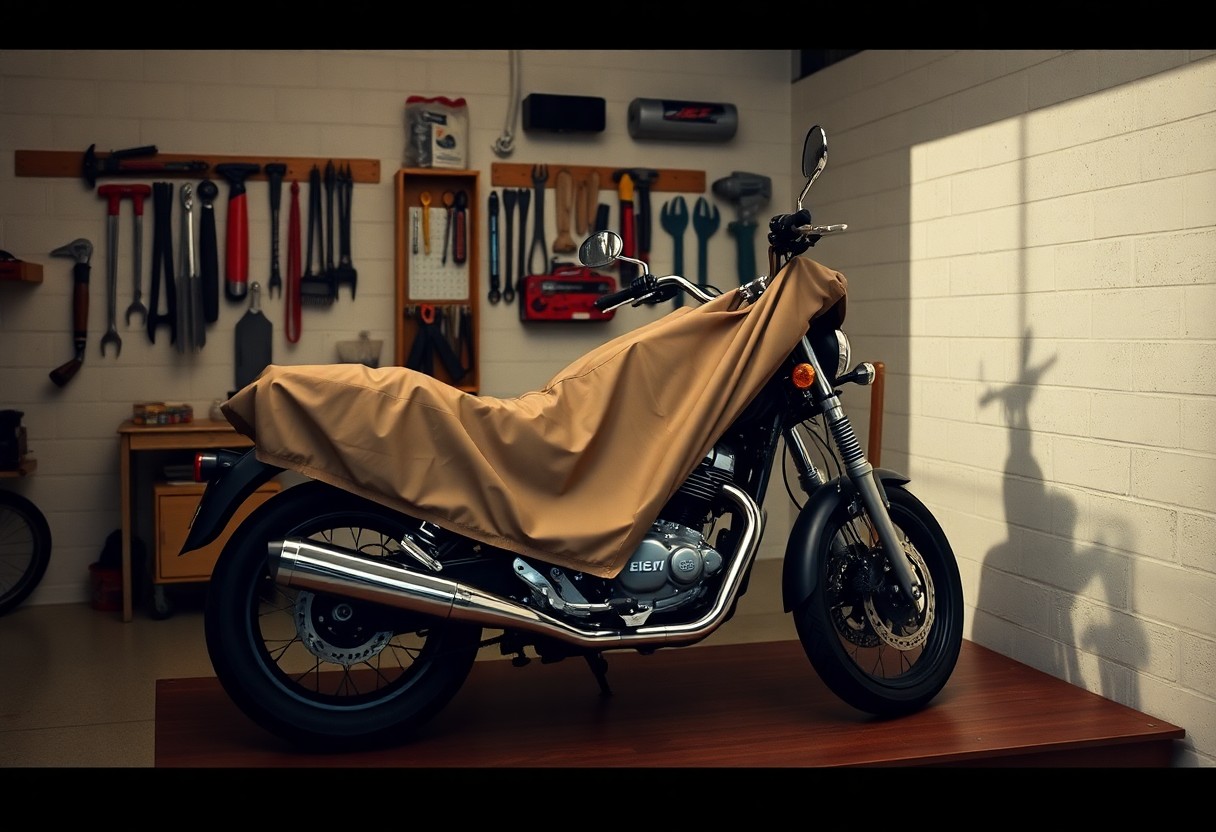
Practices for storing your Chevrolet motorcycle properly can significantly impact its longevity and performance. To avoid damage from environmental elements, ensure you clean your bike thoroughly and utilize a protective cover. You should also maintain proper tire pressure and keep the fuel tank filled to prevent condensation. Additionally, removing the battery or using a trickle charger can help your motorcycle start smoothly when you’re ready to ride again. Following these best practices can enhance the overall care and lifespan of your motorcycle.
Types of Chevrolet Motorcycles
| Type | Description |
|---|---|
| Cruiser Models | Designed for comfort and style, these bikes excel in relaxed, laid-back riding. |
| Sport Models | Characterized by high performance and agility, they are built for speed and exhilaration. |
| Touring Models | Equipped with advanced features, these motorcycles are perfect for long-distance travel. |
| Electric Models | Innovative and eco-friendly, focusing on sustainability without sacrificing performance. |
| Adventure Models | Built for versatility, suitable for both on-road and off-road adventures. |
Cruiser Models
Cruiser models typically feature a low-slung seat and relaxed ergonomics, making them perfect for leisurely rides. You’ll find that these motorcycles often have larger engines, providing a smooth, powerful ride, ideal for long travels down the highway. Popular examples include the Chevrolet Road King and the Chevrolet Classic Cruiser.
With their vintage appeal, cruisers often come with chrome accents and retro styling that harks back to classic motorcycle designs. You might appreciate features like comfortable seating and a laid-back riding position, making your journeys enjoyable and relaxing.
Sport Models
Sport models focus on precision, agility, and speed, appealing to those who seek thrill and performance on the road. These bikes are often lighter and sportier, offering advanced suspension and braking systems that enhance handling and stability. Models like the Chevrolet Sportster deliver exhilarating acceleration, ensuring an unbeatable riding experience.
The aggressive riding position is complemented by aerodynamic designs, allowing you to cut through the air seamlessly. Enhanced torque and power allow you to push the limits, making these motorcycles ideal for track days or twisty mountain roads.
Sport models come with advanced technology, such as optional ABS and traction control systems, allowing even novice riders to handle the bike confidently. The integration of powerful engines paired with lightweight frames creates an exhilarating balance that draws riders to the sportbike scene.
Touring Models
Touring models are designed specifically for long-distance travel, with an emphasis on comfort and convenience. Equipped with features such as large windshields, comfortable seating, saddlebags, and advanced electronics, they make extended rides enjoyable. The Chevrolet Voyager, for example, offers ample storage and ergonomic seating to keep you comfortable during those long journeys.
These motorcycles often include cruise control, premium sound systems, and GPS navigation, catering to the needs of touring enthusiasts. With innovations focused on rider comfort, you can initiate on cross-country trips with ease and enjoy every moment on the road.
Touring models also come with powerful engines that maintain a smooth performance even with a heavy load. Ensuring you can tackle varying terrains and long distances without compromising speed or control, they are ideal for serious road warriors.
Factors to Consider When Storing
- Climate Control
- Security Measures
- Maintenance Needs
Climate Control
Temperature fluctuations can negatively impact your Chevrolet motorcycle when stored improperly, leading to fuel degradation and battery damage. Aim for a storage space where the temperature remains stable, ideally between 50°F and 70°F (10°C to 21°C). Consider using climate control devices like humidifiers or dehumidifiers to manage moisture levels effectively.
Humidity can cause corrosion and rust, especially in areas susceptible to moisture accumulation. A well-ventilated storage space can mitigate these risks. Ensure your motorcycle is dry before placing it in storage, and avoid locations like basements or garages prone to dampness. The right climate control significantly extends the life of your motorcycle’s components.
Security Measures
Securing your valuable Chevrolet motorcycle requires both physical and technological approaches to deter thieves. Invest in a high-quality lock and chain that is difficult to cut and ensure it loops through the frame and both wheels. Additionally, consider a motorcycle cover that conceals the bike’s brand and type; this can act as a deterrent for potential thieves.
Motion-sensor lights and cameras can provide added security, alerting you to any suspicious activity. Utilizing a GPS tracker enhances recovery chances in case of theft, giving you peace of mind knowing that you can locate your motorcycle if it goes missing. The right measures not only protect your investment but allow you to store your motorcycle with confidence.
Maintenance Needs
Before putting your Chevrolet motorcycle in storage, conducting a thorough maintenance check is vital. This includes changing the oil and filter to prevent contaminants from damaging the engine. Additionally, make sure to fill the fuel tank and add a fuel stabilizer. This will help prevent the fuel from degrading and keep the fuel system clean.
Inspect the tires for proper inflation and consider placing your motorcycle on a stand to avoid flat spots during storage. Lastly, make sure the battery is charged or consider using a battery maintainer to keep it in good working order. Regular maintenance ensures that your motorcycle is ready to ride whenever you are.
Tips for Proper Storage
Proper storage of your Chevrolet motorcycle is vital to maintain its performance and appearance. Taking the time to follow a few key practices can help extend the life of your bike. You should start by ensuring that the storage area is clean and dry, providing adequate ventilation to prevent moisture buildup. Utilizing a high-quality, breathable cover can protect against dust, dirt, and potential scratches. Here are some tips to consider:
- Choose a temperature-controlled environment.
- Inspect your motorcycle for any leaks or damage before storage.
- Keep your motorcycle on a firm, flat surface to avoid flat spots on tires.
- Blanket the bike with an appropriate protective cover.
Any negligence in proper storage may lead to mechanical issues and aesthetic damages, ultimately costing you time and money for repairs.
Cleaning and Preparation
Before storing, give your motorcycle a thorough cleaning. Wash and wax the exterior to remove any dirt, grime, and road salt, which can accelerate corrosion. Pay attention to areas like the chain and undercarriage, where debris can accumulate. Once you’ve cleaned the surfaces, make sure to dry everything completely, particularly metal components, to prevent rust. Adding a protective layer, such as a wax or sealant, can provide additional shielding against environmental factors.
Next, consider lubricating parts that need maintenance. Chains, cables, and pivots should be well-lubricated to ensure they remain functional during storage. An inspection at this stage can reveal any needed repairs, allowing you to address them promptly. Keeping your motorcycle in pristine condition before storage serves to enhance its durability and reduces the chance of surprises when you bring it out again.
Fuel and Oil Considerations
Fuel and oil require special attention for proper motorcycle storage. Begin by filling the gas tank to minimize condensation, which can lead to moisture accumulation and fuel contamination. Adding a fuel stabilizer will help keep the gas fresh, preventing it from breaking down and causing starting issues. Run the engine for a few minutes after adding stabilizer to ensure it circulates through the system.
Engine oil should also be addressed. Ideally, you should change the oil and oil filter before storing your motorcycle. Old oil contains contaminants that can corrode internal engine components. By using fresh oil, you’re creating a safeguard against deposits that could form during the dormant months.
Stabilized fuel and clean oil are key elements in protecting your motorcycle’s engine, ensuring that when you’re ready to ride, it performs smoothly without any hiccups.
Battery Care
Battery maintenance significantly affects your motorcycle’s reliability during storage. First, disconnect the battery to prevent any parasitic drains that could lead to a dead battery upon retrieval. Consider using a battery tender or maintainer, which will keep your battery charged without overcharging. Storing the battery in a cool, dry place can also prolong its life.
Check the battery terminals for corroded connections; a simple clean with baking soda and water can do wonders. Storing your battery properly is vital, as a well-cared-for battery can lead to quicker startups and better performance when you need your motorcycle after a long break.
Step-by-Step Storage Guide
Table of Steps
| Step | Description |
|---|---|
| Initial Inspection | Examine your motorcycle for any issues before storing it away. |
| Storage Location | Choose a suitable and secure area for your motorcycle. |
| Winterization Procedure | Prepare your motorcycle for seasonal changes to prevent damage. |
Initial Inspection
Conduct a thorough inspection of your motorcycle to identify any potential concerns. Check the tires for wear and proper inflation; flat spots can develop during prolonged storage. Inspect the fluid levels, including oil, coolant, and brake fluid, as low levels can lead to corrosion or damage.
Evaluate the battery condition; a weak battery can fail during the next use. Clean your motorcycle to remove dirt and grim buildup. Pay attention to the chrome and painted parts, as contaminants can cause corrosion over time if left unattended.
Storage Location
Selecting the right storage location is pivotal for protecting your motorcycle from environmental factors and theft. Ideally, choose a dry, clean, and temperature-controlled area such as a garage or storage unit. Ensure that the space is secure to prevent unauthorized access, which may compromise your bike’s integrity.
Natural elements like sunlight, wind, and moisture can cause significant damage over time. A covered location shields your motorcycle from UV rays and precipitation. If a garage is not an option, consider investing in a high-quality motorcycle cover that offers weather protection and breathability.
Discuss your storage options with other motorcycle enthusiasts in your area to learn about local resources and meetups. Finding a community can enhance your storage experience and provide leads on better facilities or practices that have worked for others.
Winterization Procedure
Winterization involves various tasks aimed at protecting your motorcycle during colder months. Start by changing the oil and filter to remove any contaminants that could lead to corrosion. Adding fuel stabilizer to a full tank of gas keeps the fuel system clean and prevents varnish build-up.
Don’t forget to disconnect the battery to prevent drain, and consider using a trickle charger if you plan to store it for an extended period. Lubricate moving parts, including the chain, to fight rust and ensure smooth operation when you’re ready to ride again.
Reviewing your motorcycle manual can provide additional winterization specifics tailored to your model, ensuring that all crucial components receive appropriate care before storage.
Pros and Cons of Indoor vs. Outdoor Storage
Storage Method | Pros and Cons
— | —
Indoor Storage | Protects against the elements, providing a stable environment.
Indoor Storage | Enhanced security features reduce theft risk.
Indoor Storage | Easier to perform maintenance tasks in a controlled environment.
Indoor Storage | Limits exposure to UV damage on surfaces and paint.
Indoor Storage | May incur higher costs due to rent or utility expenses.
Outdoor Storage | Lower cost, as many outdoor options are free or require minimal fees.
Outdoor Storage | Easy access to your motorcycle for regular use.
Outdoor Storage | Offers flexibility with space and location choices.
Outdoor Storage | Risk of damage from environmental factors, like rain and snow.
Outdoor Storage | Increased chance of theft or vandalism due to lower security.
Indoor Storage Advantages
Indoor storage provides a range of benefits that substantially enhance the longevity and condition of your Chevrolet motorcycle. Storing your bike indoors protects it from harsh weather, preventing rust, fading, and other forms of damage caused by rain, snow, and UV exposure. A climate-controlled indoor space can also help maintain a stable temperature, preventing the deterioration of sensitive components such as rubber seals and plastics.
Additionally, the controlled environment allows you to regularly check on your motorcycle without having to brave the elements. This accessibility can inspire you to conduct routine maintenance or make adjustments, which can prolong your bike’s life. Enhanced security from indoor storage means you can sleep easier, knowing that your motorcycle is safeguarded from potential theft or vandalism compared to a less secure outdoor setting.
Outdoor Storage Disadvantages
Storing your Chevrolet motorcycle outdoors comes with notable drawbacks that can impact its condition and security. Continuous exposure to the elements can lead to significant wear and tear, particularly from rain, snow, and harmful UV rays that can damage the paint and compromise various mechanical parts. Over time, this exposure may necessitate costly repairs or even lead to irreparable damage.
Moreover, outdoor storage typically lacks robust security features, making your bike vulnerable to theft and vandalism. Even with a quality lock, the likelihood of having your motorcycle tampered with increases. The absence of a protective barrier against shifting weather conditions can lead to buildup of debris, such as leaves or dirt, that triggers corrosion and other maintenance issues.
Outdoor storage may initially seem cost-effective, but the long-term consequences of exposure and damage may outweigh those savings significantly. If you plan on utilizing outdoor storage, consider investing in high-quality covers or tarps and take regular precautions to minimize risk and ensure that your motorcycle remains in optimal condition.
Common Mistakes to Avoid
Neglecting Maintenance
Storing your Chevrolet motorcycle without regular maintenance leads to significant long-term issues. Leaving the bike idle can result in stale fuel that clogs the carburetor, while neglecting battery care may cause it to lose charge or even corrode. You should assess the oil levels, make sure fluids are topped off, and periodically run the engine to keep the internal components lubricated.
Additionally, failing to clean your motorcycle before storage can trap dirt and moisture, leading to corrosion over time. Inspecting tires for flat spots and ensuring they’re inflated to the proper pressure are also important to prevent damage. A proactive approach ensures your bike remains in optimal condition for your next ride.
Poor Location Choices
Choosing the wrong location to store your Chevrolet motorcycle can result in exposure to harmful elements. A damp garage or an area prone to flooding can promote rust and mildew growth, ultimately damaging the bike’s body and mechanics. Ideally, you want to select a dry, temperature-stable environment away from direct sunlight and harsh weather conditions.
Accessibility also plays a role in location. If your chosen storage space is hard to reach, this discourages regular checks and maintenance, increasing the chances of neglecting vital upkeep. Always prioritize convenience without sacrificing the safety and integrity of the motorcycle.
Storing your motorcycle in a location without considering environmental factors can lead to premature wear. High humidity levels can cause extensive corrosion, while extreme temperatures might deform rubber parts or damage electronic components. Evaluate locations carefully before making your decision.
Inadequate Protection
Failing to provide adequate protection for your Chevrolet motorcycle can lead to a range of issues during storage. Using only a tarp or blanket might seem convenient, but these materials often trap moisture, causing rust and other damage. Investing in a high-quality motorcycle cover designed for your bike’s specific size and model can significantly enhance protection.
Also, the security of the storage area is vital. If your motorcycle is stored in an unmonitored or easily accessible place, the risk of theft escalates. A secure, lockable shed or garage will deter potential thieves and give you peace of mind.
Inadequate protection not only refers to physical barriers but also to environmental shields. For instance, storing your motorcycle outdoors without a weather-resistant cover exposes it to rain, snow, and debris, which can lead to long-term damage and repairs that could have been avoided. Prioritizing proper protective measures ensures your investment remains safe and well-preserved.
Final Words
As a reminder, maintaining the integrity of your Chevrolet motorcycle extends beyond regular maintenance and care. Ensure that your motorcycle is stored in a clean, dry environment to prevent any moisture or dirt from accumulating. Use a breathable cover to protect against dust while allowing airflow, which helps to prevent rust and corrosion. Also, consider the placement of your motorcycle; a location with stable temperature and humidity levels is ideal for preserving its components.
Additionally, take the time to properly prepare your motorcycle for storage. Drain the fuel tank or add a fuel stabilizer to prevent fuel degradation. Check and fill the oil level, and inspect the tires to ensure they are properly inflated to avoid flat spots. With these best practices in place, you can ensure your Chevrolet motorcycle remains in excellent condition, ready for your next ride.

October 6, 2025