
16
Oct
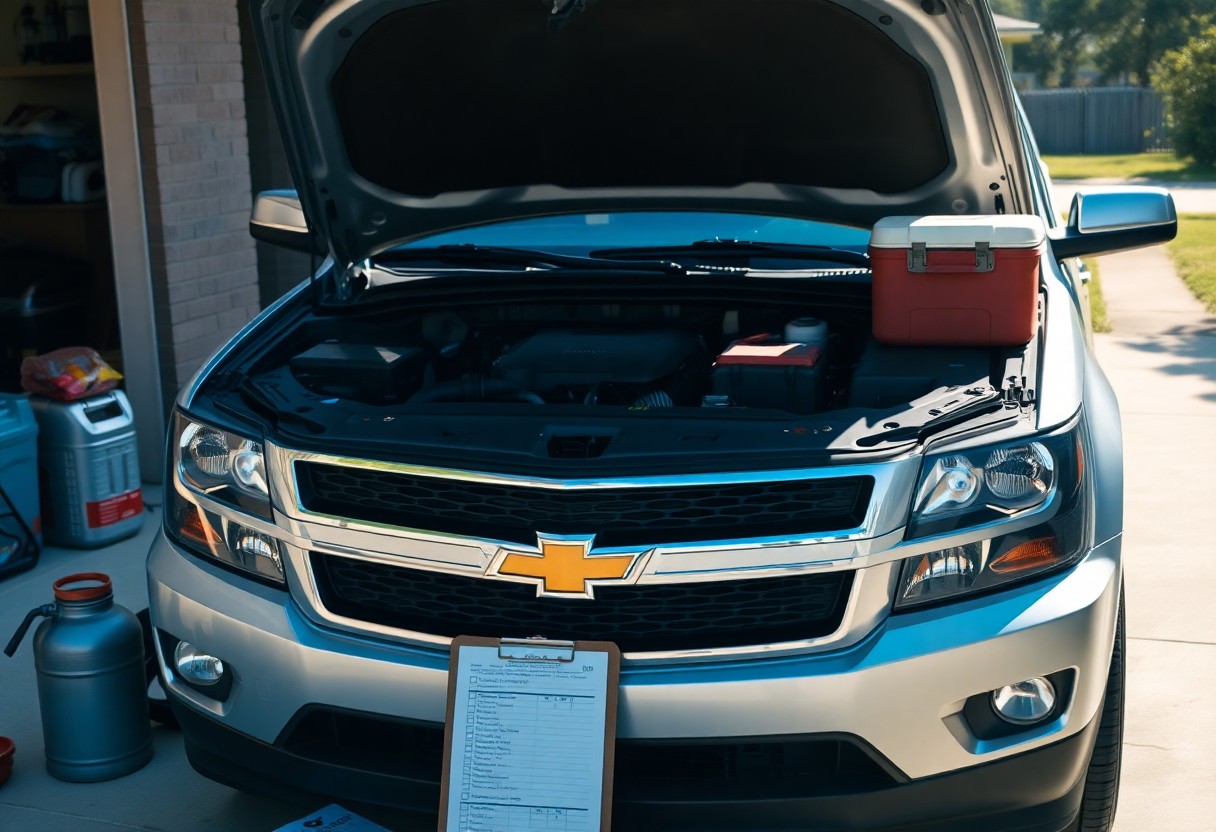
Over the course of your journey, ensuring your Chevrolet is ready for a long road trip can make all the difference. Start by checking necessary fluids, including oil and coolant, to prevent overheating and engine problems. Inspect your tires for proper inflation and tread wear to avoid blowouts. Don’t forget to verify your brakes and battery health, as these components are vital for safety. With a well-prepared vehicle, you can focus on enjoying the open road and creating wonderful memories.
Types of Preparations
Preparing your Chevrolet for a long road trip encompasses several vital types of preparations, from mechanical checks to packing the right supplies. You’ll want to conduct a comprehensive assessment to identify any potential issues that could interrupt your journey. This planning stage helps ensure that your vehicle performs reliably throughout your travels.
| Preparation Type | Details |
|---|---|
| Mechanical Checks | Inspect vital components such as the engine, brakes, and tires to ensure they are in optimal condition. |
| Fluid Levels | Check oil, coolant, and windshield washer fluid levels for optimal performance. |
| Tire Maintenance | Examine tire tread depth and pressure for safety and efficiency. |
| Essential Supplies | Pack your vehicle with items needed for emergencies and comfort on the road. |
| Navigation & Planning | Ensure you have reliable maps or GPS systems to avoid getting lost. |
Knowing your Chevrolet has been thoroughly checked and equipped allows for a more enjoyable trip, reducing stress and enhancing safety.
Mechanical Checkups
Mechanical checkups often begin with a visual inspection of the vehicle’s external and internal components. Start with the engine to ensure all belts and hoses are intact, as these can significantly impact performance. Pay close attention to the braking system; worn brake pads can lead to safety issues down the line. Additionally, examine the suspension and steering components for any signs of wear.
Tire condition directly affects your fuel efficiency and safety. Make sure the tires are properly inflated and check for any uneven wear that may need addressing. Rotating the tires and replacing them if they are near the end of their lifespan can prevent accidents during your journey. Monitoring these mechanical aspects ensures your Chevrolet operates at its best and minimizes potential road issues.
Essential Supplies
Packing vital supplies can significantly enhance your road trip experience. Items like a first aid kit, flashlight, and basic tools should be among your priorities to ensure you can handle any emergencies. Snacks, water, and entertainment items like audiobooks or music playlists can make long stretches of driving more enjoyable and comfortable for you and your passengers.
A quality spare tire, jack, and jumper cables are must-have supplies that could save you from being stranded. Additionally, consider including a roadside emergency kit with flares and reflective triangles to increase your visibility in case of a breakdown. Always check expiration dates on food and medical supplies to ensure readiness. Maintaining a well-stocked resource list builds confidence in handling unexpected situations throughout your adventure.
Tips for Efficient Packing
Packing effectively can greatly enhance your road trip experience. Start by prioritizing the imperatives and minimizing non-imperatives. This approach not only saves space but also keeps your Chevrolet organized and clutter-free. Use packing cubes or bags to separate clothing, toiletries, and other items, enabling quick access while on the road. Utilize the storage compartments in your vehicle. They can house smaller items, keeping them out of the main cabin area.
- Prioritize imperative items for easy access.
- Use packing cubes to maximize space and organization.
- Utilize storage compartments in your vehicle for smaller items.
- Minimize bulky clothing by layering.
- Plan meals with portable snacks to avoid extra packaging.
Assume that a well-organized packing strategy will lead to a smoother trip, allowing you to focus on the journey ahead instead of rummaging through bags.
Organizing Space
Utilizing vertical space effectively in your Chevrolet can be a game-changer. Stack items vertically in the trunk to create more room, and consider using collapsible containers for easy storage. Always place the heaviest items at the bottom to maintain stability while driving. This method not only conserves space but also prevents things from shifting during transit.
Keep frequently used items within reach, such as snacks or travel documents, by placing them in seatback pockets or the center console. By developing a packing system that considers weight distribution and accessibility, you ensure a more enjoyable and less chaotic experience while on the road.
Carrying Safety Items
As you prepare for your road trip, don’t underestimate the importance of carrying safety items. A well-stocked emergency kit should include imperative tools like a flashlight, first-aid supplies, jumper cables, and a tire inflator. Consider including non-perishable snacks and bottled water for unexpected delays. These items can provide comfort and assistance in emergencies, making your trip safer.
Incorporate additional safety tools, such as a roadside emergency triangle and reflective vests. Having reliable means of communication, like a charged mobile phone and power bank, is also vital. Being over-prepared in this aspect can prevent stressful situations from escalating, ensuring you and your passengers stay safe and secure throughout your journey.
Step-by-Step Road Trip Planning
| Task | Description |
|---|---|
| Route Selection | Choose the most scenic or convenient paths tailored to your interests and timeline. |
| Accommodation Arrangements | Book lodgings ahead of time to secure your preferred locations and avoid last-minute hassles. |
Route Selection
Prioritize what you want to see on your journey, such as national parks, historical landmarks, or urban experiences. Utilize digital mapping tools to evaluate various routes, considering distance, driving time, and any attractions you might want to visit along the way. Having a flexible itinerary allows for spontaneous stops that can enhance your trip significantly.
Factor in road conditions and traffic patterns, especially during peak travel seasons. Check local events or festivals that may make certain routes more congested or exciting. Avoiding high-traffic periods can lead to a smoother drive, ensuring you enjoy the journey as much as the destination.
Accommodation Arrangements
Securing accommodations beforehand reduces stress and guarantees a restful night after long driving hours. Look for hotels or motels that cater to travelers and are conveniently located near major highways, dining options, and attractions. Websites and apps can help filter your search based on amenities you prioritize, such as free Wi-Fi, pet-friendly spaces, or breakfast included.
Be mindful of cancellation policies to retain flexibility in your plans. In peak travel times, opting for well-reviewed chain hotels often ensures consistent quality. Always consider the importance of safety, especially in unfamiliar areas; choosing accommodations with strong guest reviews can provide peace of mind.
Additionally, if a more personalized experience appeals to you, explore alternatives like vacation rentals or camping sites. These options can offer unique experiences and a taste of local culture that standard hotels might lack. Regardless of your choice, having a confirmed place to rest each night contributes significantly to a successful road trip.
Factors to Consider Before Leaving
Several elements contribute to a successful road trip, and assessing these factors helps ensure a smoother experience. Before hitting the road, evaluate your route, vehicle performance, and personal needs. Pay attention to your schedule to account for breaks, meals, and overnight stays. Additionally, consider your travel companions and their requirements for a comfortable journey. Your trip’s success can hinge on these details, so organize your itinerary with this in mind.
- Weather conditions
- Vehicle load limits
- Route planning
- Personal needs
Assume that every factor plays a role in the overall safety and enjoyment of your trip.
Weather Conditions
Understanding the weather conditions along your route can significantly impact your travel plans. Check forecasts for rain, snow, heat, or potential storms ahead of time. Inclement weather may require adjusting your driving speed, increasing your following distance, or even changing your planned route. Always be equipped with items such as windshield wipers, antifreeze, and tires that perform well in varied conditions to ensure safety.
For example, if you’re traveling through mountainous regions, watch out for fog or snow that may develop unexpectedly. Ensure your Chevrolet is equipped with seasonal tires and that your lights are functioning correctly to handle low-visibility scenarios without delay. Keeping an eye on the weather can prevent dangerous situations and enhance your road trip experience.
Vehicle Load Limits
Before departing, verify your Chevrolet’s vehicle load limits to avoid overloading, which can negatively affect handling and braking. Review your owner’s manual for the specific weight limits, ensuring all passengers and cargo combined do not exceed the maximum allowed. A well-loaded vehicle enhances stability, while exceeding limits may lead to potential accidents or mechanical failures.
Each vehicle has a designated Gross Vehicle Weight Rating (GVWR) that includes the weight of the car itself, passengers, cargo, and any additional accessories. For instance, if your Chevrolet’s GVWR is 5,500 pounds and you have an empty weight of 4,000 pounds, you can safely allow up to 1,500 pounds for passengers and cargo. Staying within these limits prevents unnecessary strain on the suspension and brakes, ultimately ensuring a safer journey.
Pros and Cons of Road Tripping
Pros and Cons
| Pros | Cons |
|---|---|
| Flexibility in itinerary | Potential for unexpected delays |
| Opportunities for scenic views | Long hours of driving fatigue |
| Cost-effective for families | Vehicle wear and tear |
| Quality time with travel companions | Limited access to amenities |
| Chance to explore off-the-beaten-path locations | Road safety and navigation challenges |
| Control over travel pace | Potential for poor weather conditions |
| Increased adventure and spontaneity | Planning fatigue |
| Ability to pack more gear | Possible lack of comfort compared to flying |
| Variety of experiences | Difficulty in balancing costs |
| Immediate access to personal belongings | Risk of travel-related illnesses |
Advantages
Embarking on a road trip offers unparalleled flexibility; you can change your route at a moment’s notice, allowing spontaneous detours to breathtaking viewpoints or local attractions. This freedom creates a unique travel experience compared to rigid flight schedules. Spending time on the road also fosters deeper connections with your travel companions, whether reminiscing about past adventures or enjoying the shared excitement of new discoveries. You have complete control over your vehicle, making it easy to pack crucial items and snacks, ensuring comfort and convenience throughout your journey.
Exploring off-the-beaten-path locations adds a sense of adventure and novelty, which can lead to unexpected thrills and rich experiences. Traveling by road also tends to be more cost-effective for families or groups. The costs associated with fuel, accommodation, and food can often be lower than airfare and hotel rates, especially when you utilize your own vehicle. With careful planning, you can maximize both fun and savings during your trip.
Disadvantages
Despite the excitement that road trips promise, they also come with several drawbacks. The potential for delays due to traffic, weather, or road construction can disrupt your carefully planned itinerary, leading to frustration. Long hours behind the wheel often result in fatigue, which can affect both your alertness and enjoyment of the adventure. If you fail to account for rest breaks, you and your travel companions could find yourselves irritable and less receptive to the journey’s experiences.
Vehicle wear and tear is another concern, as long-distance drives can put significant strain on your car, potentially leading to mechanical issues. This could require costly repairs or roadside assistance, inconveniencing your plans. Additionally, some areas may have limited access to amenities, making it challenging to find food, accommodations, or entertainment. The combination of these factors can lead to stress that contrasts sharply with the joys of road tripping.
Final Checklist for Your Chevrolet
Maintenance Items
Address the basics before hitting the road. Start with your engine oil; if the level is low or the oil appears dirty, change it. Check the air filter as well—this simple task can improve fuel efficiency significantly. Inspect the coolant level and top it up if needed to prevent overheating. Additionally, ensure that your transmission fluid is at the proper level, especially if you’re carrying heavy luggage, as this can affect your vehicle’s performance.
Tires play a vital role in your trip’s safety and efficiency. Inspect tread depth and check for any visible signs of damage, including cracks or bulges. Maintain proper tire pressure, a simple check that can improve your fuel economy by 3-4%. Don’t forget to check your battery’s connections for corrosion, and test its voltage if it’s more than three years old, as the last thing you want is to be stranded with a dead battery.
Last-Minute Checks
Conducting a few last-minute checks can save you from potential headaches on the road. Ensure that your lights, including brake lights and turn signals, are all functioning properly; visibility increases safety after dark, and malfunctioning lights can lead to traffic violations. Additionally, wipe down your windshield and check that your wipers work efficiently, especially if rain is in the forecast. Clean windows and fluid reservoirs keep your view unobstructed during the drive.
Lastly, verify that all your necessary gear is packed. This includes your emergency kit, first aid supplies, and necessary tools for minor roadside repairs. Bringing a spare tire in good condition, along with a working jack, can provide peace of mind, while having a flashlight and some snacks ensures you’re prepared for unexpected situations.
Conclusion
Conclusively, preparing your Chevrolet for a long road trip involves several necessary steps to ensure safety and performance on the road. Start with a thorough inspection of your vehicle, focusing on the tires, brakes, fluids, and battery. Checking your oil level and topping off windshield wiper fluid will help prolong your engine’s life and maintain visibility during unexpected weather conditions. Don’t overlook the importance of an emergency kit, which should include basic tools, first-aid supplies, and necessary items for roadside assistance.
Your trip will be much smoother if you take the time to familiarize yourself with your vehicle’s technology and features. Make sure your GPS is updated, and consider downloading necessary maps in advance in case of weak signals. Planning your route with rest stops and identifying potential service stations along the way can alleviate stress during your travels. By taking these measures, you can ensure that your Chevrolet is ready for any adventure that lies ahead.

October 16, 2025