
18
Oct
Many Chevrolet owners encounter specific issues that can affect their vehicle’s performance and safety. Understanding these common problems is vital for you to ensure your car remains reliable and efficient. This guide outlines frequent concerns like transmission issues and electrical malfunctions, along with effective solutions that can save you time and money. By addressing these challenges proactively, you can enhance your driving experience and keep your Chevrolet in optimal condition.
Common Chevrolet Problems
Engine Issues
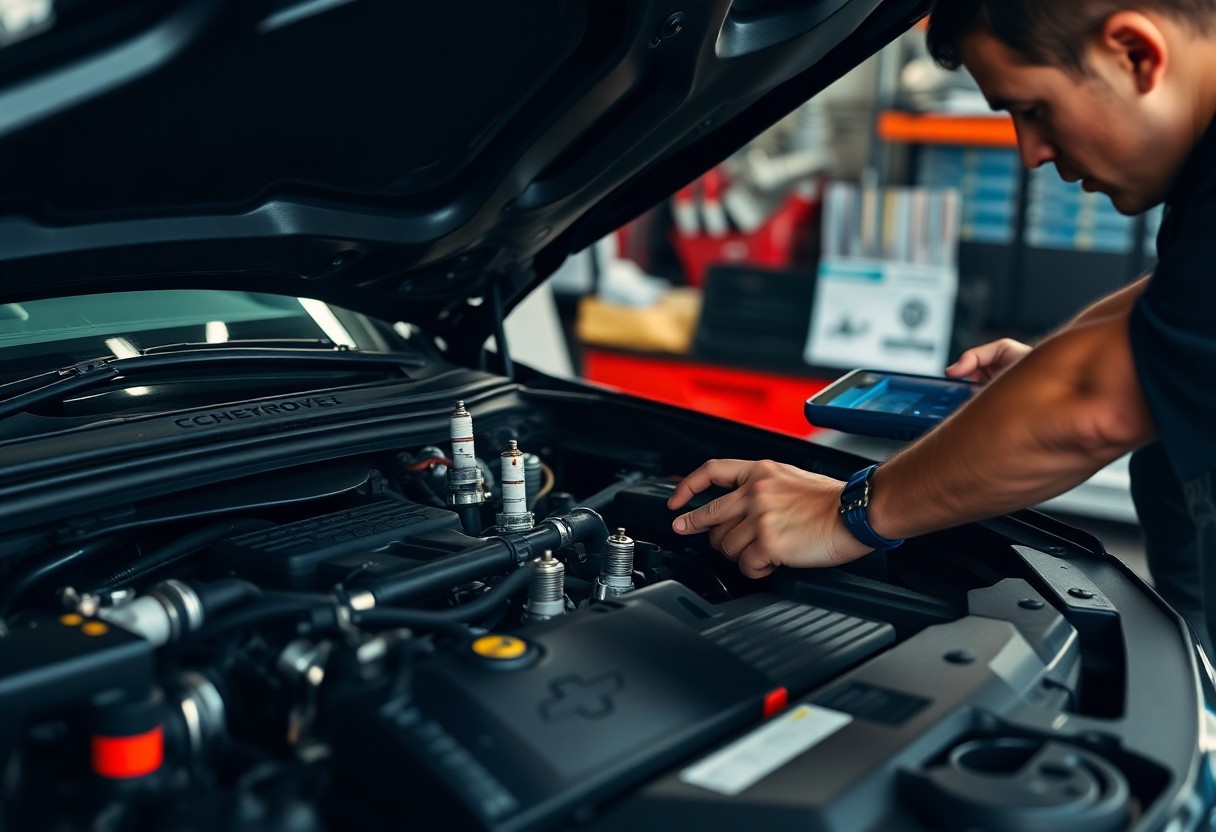
Engine problems in Chevrolet vehicles can manifest in various forms, often leading to decreased performance and increased emissions. Common symptoms include rough idling, engine stalling, and warning lights illuminating on the dashboard. In many cases, these issues are linked to faulty ignition coils, which can result in misfires and reduced fuel efficiency. Annual maintenance checks can help identify these problems early, preventing costly repairs down the line.
Additionally, oil consumption can be a significant concern, particularly in certain models like the Chevrolet Equinox. If you find yourself frequently adding oil between changes, it may indicate a more serious issue such as worn piston rings or valve seals. Regular monitoring of your oil levels and prompt responses to warning signs can help you maintain your engine’s health.
Transmission Problems
Transmission issues can severely impact your driving experience, with symptoms ranging from slipping gears to delayed shifting. In some Chevrolet models, particularly the Malibu and Silverado, owners have reported transmission fluid leaks, which can cause reduced efficiency and potential damage if left unaddressed. Frequent fluid inspections and timely replacements can mitigate these problems and prolong the lifespan of your transmission.
Your vehicle may also exhibit erratic shifting patterns or unusual noises during operation. If you experience these symptoms, having your transmission inspected promptly can prevent more extensive damage and costly repairs. Upgrading to high-quality transmission fluid can also enhance performance and reliability.
Models like the Chevrolet Cruze have been known to experience less dramatic but equally concerning transmission issues such as software malfunctions. These can often be resolved through software updates or recalibration, making it important to stay informed about the latest firmware releases from Chevrolet.
Types of Chevrolet Vehicles and Their Challenges
| Types of Vehicles | Common Challenges |
| Sedans | Transmission issues, electrical system malfunctions |
| SUVs | Engine overheating, suspension wear |
| Trucks | Fuel system problems, brake wear |
| Sports Cars | Tire wear, performance tuning concerns |
| Electrics | Battery drainage, software glitches |
Sedans
Sedan models from Chevrolet, like the Malibu and Impala, often encounter transmission issues that can lead to erratic shifting or slipping. These problems may stem from software errors or hardware failures, necessitating diagnostic checks and potential repairs. Electrical system malfunctions are another concern, sometimes causing issues with power windows, locks, and the lighting system.
Addressing these challenges typically involves regular maintenance checks. Staying current with software updates and having your transmission fluid regularly checked can help prevent significant malfunctions. Additionally, keeping an eye on your vehicle’s electrical system can help you identify and resolve problems before they escalate.
SUVs and Trucks
Chevrolet SUVs and trucks, such as the Tahoe and Silverado, are known for their ruggedness but are not without issues. Engine overheating can be a major concern, often resulting from low coolant levels or a failing thermostat. Regular inspections of the cooling system can prevent you from encountering such serious troubles on the road. Meanwhile, suspension wear is frequently reported, especially in vehicles subjected to heavy loads or rough terrain.
Maintenance plays a vital role in avoiding these issues. You should routinely inspect the coolant system and check for leaks to maintain optimal engine temperature. Upkeep of the suspension components, such as shocks and struts, enhances ride quality and safety. Recognizing these challenges early on allows you to address them before they impact your vehicle’s performance.
Moreover, as SUVs and trucks often endure heavier usage, it is important to adhere to a stringent maintenance schedule. Checking the brakes regularly, particularly for wear, ensures that your vehicle operates safely. Additionally, considering the weight these vehicles are designed to carry can help manage their overall wear and tear effectively.
Tips for Preventive Maintenance
- Follow scheduled maintenance timelines
- Check fluid levels regularly
- Inspect tires and brakes frequently
- Address warning lights promptly
- Keep your vehicle clean to prevent rust
Regular Check-ups
Consistent maintenance check-ups help you identify potential issues before they escalate into major problems. Scheduling visits to your mechanic every six months allows for routine inspections of the engine, transmission, and other vital components. Mechanics can help you catch component wear early and replace them promptly, saving you time and money.
During these check-ups, fluid changes are typically recommended. Oil changes, coolant checks, and brake fluid replacements are imperative to keeping your vehicle running smoothly and efficiently. Regularly updating these fluids prevents overheating and improves overall performance, ensuring that your Chevrolet remains dependable.
Using Quality Parts
Utilizing quality parts during replacements or repairs significantly enhances your vehicle’s lifespan. Opting for OEM (Original Equipment Manufacturer) parts guarantees compatibility and performance similar to the components originally designed for your Chevrolet. Generic parts may save you money upfront, but they often lead to additional issues, increasing long-term costs.
High-quality parts not only provide better durability but also ensure that your vehicle’s performance remains consistent. For instance, aftermarket brake pads may seem appealing, but they can produce more dust and noise compared to OEM pads. You should prioritize using parts that your specific vehicle model was engineered for, as this ensures optimal fit and performance. The reliability of quality components safeguards against premature failures, leading to a longer, trouble-free driving experience.
Step-by-Step Troubleshooting Guide
Identifying Symptoms
Begin by noting any unusual sounds or behaviors. For example, if you hear grinding noises when applying the brakes, it indicates worn brake pads that need immediate attention. Check for warning lights on your dashboard; persistent check engine lights may point to underlying engine issues. Pay attention to how your vehicle handles—if it pulls to one side, you might be dealing with misaligned wheels or uneven tire wear.
Document any inconsistencies, such as decreased fuel efficiency or difficulty starting the engine. Sudden drops in performance can often be traced back to fuel system problems or issues with the ignition system. You can better diagnose the issue by compiling your observations, allowing you to communicate effectively with a mechanic or tackle repairs yourself.
Basic Repairs
Start with simple tasks that you can perform at home. Regularly changing engine oil can enhance vehicle longevity and performance. Likewise, inspect and replace air filters every 15,000 miles to ensure efficient airflow to the engine, maintaining optimal performance. Basic DIY tasks, such as replacing fuses for non-functioning components, can save you both time and money.
Don’t overlook the importance of checking fluid levels. Engine oil, coolant, brake fluid, and transmission fluid should be checked every few thousand miles. Flushing the coolant system can prevent overheating, while replacing brake fluid can improve braking efficiency. These repairs not only enhance safety but can prolong the life of vital engine components.
Engaging in these basic repairs enhances your familiarity with vehicle maintenance, allowing you to tackle more complex issues later. Setting a maintenance schedule creates a foundational routine, reducing the likelihood of facing more significant, costly repairs down the line. Recall, when staying proactive, regular checks can pinpoint problems before they escalate.
Factors Contributing to Chevrolet Issues
Several elements play a significant role in leading to the common problems encountered in Chevrolet vehicles. Factors such as manufacturing quality, driver behavior, and environmental conditions can greatly influence the performance and longevity of your car. Understanding these issues helps in proactively addressing them and ensuring a smoother driving experience.
- Manufacturing Quality
- Driver Behavior
- Environmental Conditions
Manufacturing defects have often been pointed out as a cause of various issues in Chevrolet cars. These can stem from poor quality control during production, leading to components that wear out prematurely or malfunction. For instance, some models have reported early transmission failures attributed to subpar manufacturing practices, highlighting the importance of compliant assembly lines and rigorous testing before the cars reach consumers.
Manufacturing Defects
Your vehicle may experience problems due to overlooked design flaws or inferior materials used in components. Issues such as faulty electrical systems or engine components can arise when strict manufacturing standards aren’t upheld. For example, certain Chevrolet models with known defect issues can exhibit consistent electrical failures that could easily be avoided with better initial component selection. This often results in additional repair costs for owners.
Driver Behavior
Additionally, how you drive your Chevrolet plays a vital role in determining its overall health and functionality. Harsh driving habits, such as aggressive acceleration and sudden braking, put excessive stress on key systems including the engine and transmission. Regularly engaging in these practices can accelerate wear and tear, leading to premature breakdowns or costly repairs. Understanding your driving style can help you mitigate potential issues before they escalate.
Excessive idling, neglecting regular maintenance, and ignoring warning lights are all behaviors that can exacerbate existing problems. For example, failing to address minor issues can snowball into larger, more expensive repairs. By adopting a more mindful approach to driving and vehicle care, you ensure your Chevrolet operates smoothly and efficiently for years to come. This awareness of your habits can significantly reduce breakdowns and enhance the vehicle’s longevity.
Pros and Cons of Chevrolet Brands
Pros and Cons
| Pros | Cons |
|---|---|
| Wide variety of models and options | Some models have known reliability issues |
| Affordability and good resale value | Less luxurious interior finishes |
| Strong performance in trucks and SUVs | Fuel efficiency may not be competitive |
| Advanced safety features | Higher maintenance costs for some models |
| Strong brand loyalty | Limited availability of certain models |
| Innovative technology in recent models | Inconsistent customer service experiences |
| Enhanced warranty options | Deficient sound insulation in several vehicles |
| Strong aftermarket support and parts availability | Outdated design in some older models |
| Positive crash test ratings | Some models have lower resale values |
| Community and enthusiast engagement | Perception of inferior performance compared to rivals |
Advantages
Chevrolet’s lineup includes a wide variety of models catering to different needs, from compact cars to heavy-duty trucks, providing you with options that suit your lifestyle and budget. Notably, Chevrolet vehicles tend to have good resale value, making them a solid investment over time. Many models also come equipped with advanced safety features, showcasing the brand’s commitment to keeping you and your passengers secure on the road.
Performance is another strong suit, especially in their trucks and SUVs, which are known for durability and towing capacity. With recent innovations in technology, you’ll find many Chevrolet models equipped with cutting-edge infotainment systems and connectivity options, enhancing your driving experience. Additionally, Chevrolet is recognized for its extended warranty options, providing peace of mind for owners regarding potential repairs.
Disadvantages
Despite their strengths, Chevrolet vehicles have notable downsides, particularly regarding reliability. Certain models have faced recurring mechanical issues that can lead to higher maintenance costs, which may affect your ownership budget. It’s wise to research specific models before purchasing, as not all Chevrolets are created equal in terms of dependability.
Fuel efficiency is another area where Chevrolet may fall short compared to some competing brands. Many models are often criticized for their fuel economy, which can lead to increased costs at the pump over time. Additionally, while some interiors are functional, they may lack the luxurious touch found in competitors, potentially leaving you wanting more in terms of design and finishing materials.
Over the years, Chevrolet has also faced criticism for inconsistent customer service experiences, which can sour the ownership experience. You may find that while some dealerships excel at providing support, others leave much to be desired. This inconsistency can impact your overall satisfaction with the brand, leading you to seek alternatives if reliable service is a priority for you.
Final Words
Presently, navigating common Chevrolet problems can feel overwhelming, but with the right knowledge, you can address them effectively. You should prioritize regular maintenance and stay informed about your vehicle’s specific issues, such as electrical problems, transmission issues, and engine performance. Understanding symptoms can help you catch potential problems early, saving you time and money in repairs.
Your proactive approach to troubleshooting these issues will empower you to make informed decisions about solutions. Whether you choose to consult a professional mechanic or tackle minor repairs yourself, addressing these common Chevrolet problems promptly will enhance your driving experience and extend the lifespan of your vehicle. Prioritizing care and attention will ensure that you enjoy reliable performance for years to come.

October 18, 2025