
20
Oct
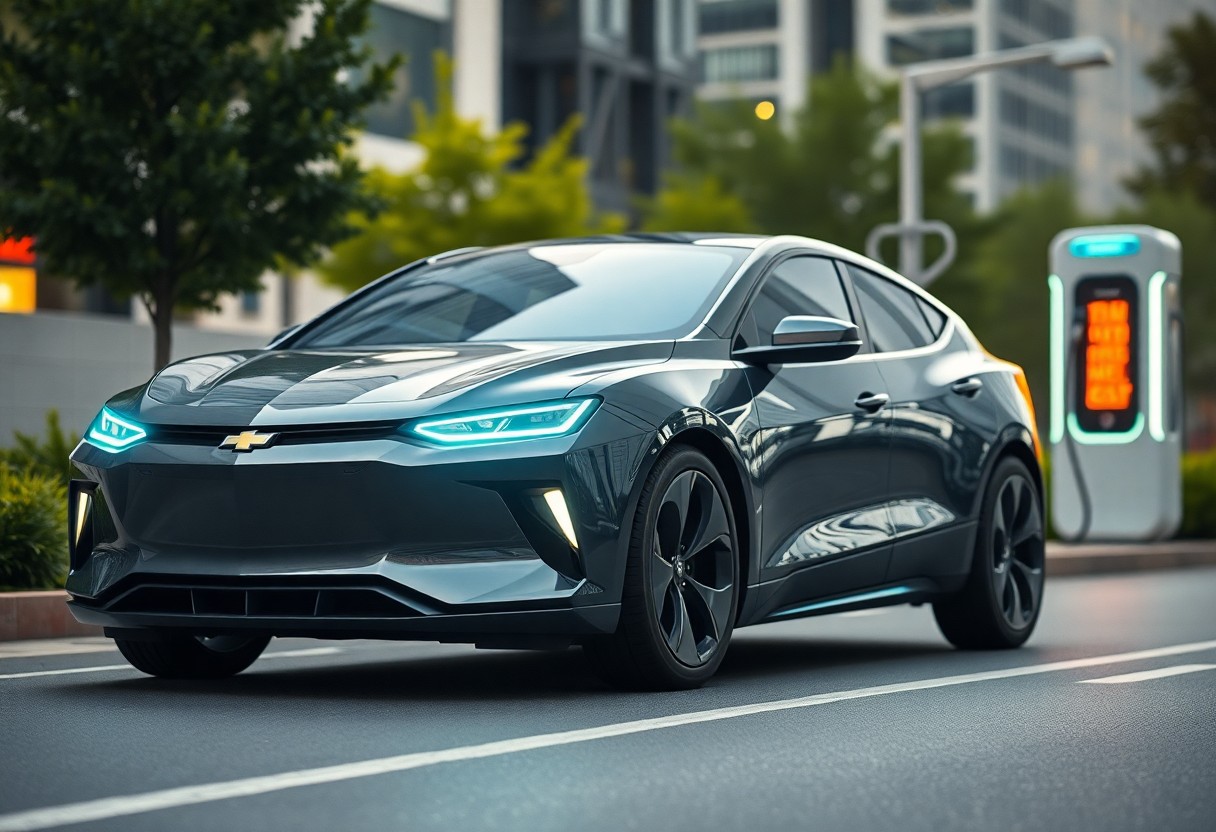
Most car enthusiasts are now exploring the exciting advancements in electric vehicles, particularly in Chevrolet’s lineup. You can expect innovative technology, impressive range capabilities, and eco-friendly options that cater to your driving needs. As the automotive industry increasingly shifts toward sustainability, Chevrolet is committed to enhancing performance and safety in its electric models, promising a thrilling driving experience without compromising on efficiency. This guide will walk you through what to anticipate in the future of Chevrolet’s electric offerings, ensuring you’re well-informed about your next vehicle choice.
Types of Electric Chevrolet Models
Electric Chevrolet models are designed to cater to diverse consumer preferences, offering various types that excel in performance, efficiency, and versatility. Understanding these models helps you make informed choices tailored to your lifestyle. Current offerings can be characterized by their innovative designs and impressive features, appealing to both commuters and adventure seekers alike.
| Electric SUVs | Versatile vehicles for families and outdoor enthusiasts. |
| Electric Sedans | Designed for efficiency and commuter comfort. |
| Electric Trucks | Robust models suitable for towing and heavy-duty tasks. |
| Performance Models | Sporty options for those seeking thrill and speed. |
| Luxury Electric Vehicles | High-end features with cutting-edge technology. |
Recognizing the growing demand for electric vehicles, Chevrolet has placed significant emphasis on delivering an impressive array of options that reflect the evolving preferences of automotive enthusiasts. Your choice will depend on your specific needs, whether it is a spacious SUV for family trips or an electric truck for professional requirements.
Current Offerings
Currently, Chevrolet’s lineup includes the Chevrolet Bolt EV, a compact hatchback known for its impressive range of up to 259 miles on a single charge. This model combines affordability with technology, offering features such as a user-friendly infotainment system and various driver-assistance technologies. Additionally, the upcoming Chevrolet Bolt EUV expands on the Bolt’s success by providing more space and a rugged, SUV-like feel while maintaining the economic advantages of electric driving.
On the larger side, the Chevrolet Silverado EV is making waves as a powerful electric pickup that delivers remarkable capabilities, including a projected towing capacity of over 10,000 pounds. It features advanced technologies that enhance connectivity and driving experience, making it an ideal choice for anyone needing a heavy-duty vehicle without sacrificing environmental responsibility.
Future Releases
Looking ahead, Chevrolet is set to release various electric models that promise to elevate your driving experience. Upcoming releases include the eagerly anticipated Chevrolet Blazer EV, poised to combine the classic appeal of the Blazer with cutting-edge electric technology. You can expect a blend of performance and style, with features like high-capacity batteries, rapid charging capabilities, and supporting advanced driver-assistance systems for a safer drive.
Moreover, Chevrolet continues to explore new frontiers in the electric segment, with concepts of a fully electric Chevrolet Equinox also on the horizon. These future releases demonstrate Chevrolet’s commitment to sustainability while embracing modernity and innovation. Recognizing the importance of design and functionality in electric vehicles, you can anticipate models that not only aim to meet but exceed your expectations, creating a seamless transition into electric mobility.
Step-by-Step Guide to Choosing an Electric Chevrolet
Assessing Your Needs
Start by evaluating how you’ll use your electric vehicle. Consider your daily commute, weekend trips, and whether you often travel with family or carry cargo. Electric Chevrolet models come with different range options; for instance, the Chevrolet Bolt EV offers up to 259 miles on a single charge, making it suitable for urban dwellers. If you frequently take longer journeys, you may prefer a model with a larger battery or quick charging capabilities.
Your lifestyle also impacts the decision. Do you drive mostly in the city, or do you often venture out on highways? Urban driving may warrant a smaller, more maneuverable model, while highway driving might lead you to a vehicle designed for longer distances and higher speeds, with features that enhance efficiency and comfort during extended trips.
Budget Planning
Budgeting for an electric Chevrolet involves considering not only the upfront cost but long-term savings. Electric vehicles (EVs) generally have a higher purchase price compared to their gasoline counterparts, but lower operating costs over time due to fewer moving parts and reduced maintenance requirements can offset this initial investment. Be sure to factor in potential tax incentives, which can significantly lower the purchase price. For example, federal tax credits for electric vehicles can give you up to $7,500 back, depending on the model and your tax situation.
In addition to the purchase price, include costs for home charging equipment or potential charging station fees in your budget. You may find yourself needing a wall-mounted charger, typically falling between $500 and $2,000 installed. Analyze your electricity rates, which will determine ongoing costs, and think about how much home charging versus public charging you anticipate needing.
Evaluating total ownership costs can provide a clearer picture of your budget. Consider monthly financing payments, insurance rates that may differ for electric vehicles, maintenance costs that are often lower than traditional vehicles, and potential savings from reduced fuel expenditure. This comprehensive view helps you gauge the financial commitment over the vehicle’s lifespan and supports more informed decision-making.
Key Factors Affecting Electric Vehicle Choices
Several factors play a pivotal role in your decision-making process when choosing electric vehicles, influencing everything from budget considerations to lifestyle compatibility. Understanding these elements can significantly impact your overall satisfaction with your electric vehicle purchase. Key factors include:
- Charging Infrastructure
- Range and Performance
- Total Cost of Ownership
- Incentives and Rebates
This comprehensive overview will help you navigate the vast landscape of electric options available today.
Charging Infrastructure
The availability and efficiency of charging infrastructure are critical determinants in your electric vehicle choice. Numerous studies indicate that access to charging stations directly correlates to consumer confidence in adopting electric models. Cities increasingly recognize the need for expanded networks, with many planning to triple the number of chargers within the next decade. In your daily routine, you will want accessible charging options at home, work, and en route, alleviating concerns about long-distance travel.
Wireless charging systems and fast-charging stations are emerging technologies that enhance the convenience of recharging electric vehicles. With third-party companies developing innovative solutions to reduce charging time and increase station availability, your experience should become increasingly hassle-free. This development may lead to a shift in how you view owning an electric Chevrolet.
Range and Performance
When selecting an electric vehicle, the range and overall performance can sway your final decision. Chevrolet’s electric offerings are designed with improved battery technologies that allow for extended travel distances on a single charge. For instance, the Chevrolet Bolt EV features an impressive range of over 250 miles, making it a viable option for both urban drives and road trips. Performance-wise, electric motors provide instant torque, offering you a notably responsive driving experience that traditional combustion engines struggle to match.
With the growing concern about charging availability during longer trips, understanding the real-world range of electric models is imperative. Several manufacturers, including Chevrolet, are continually optimizing their battery efficiencies and power systems to ensure that your driving experience remains, not just practical but also enjoyable. This means you can expect features like regenerative braking and driving modes that enhance efficiency without compromising on excitement.
Tips for Maintaining Your Electric Chevrolet
- Regular Maintenance
- Battery Care
- Performance Optimization
Regular Maintenance Practices
Maintaining your electric Chevrolet isn’t just about keeping it clean; it encompasses a series of important checks and balances. Regularly inspect your tires for wear and ensure they are properly inflated to enhance efficiency and driving safety. Check the brake system, especially since regenerative braking is a core component, and ensure that brake fluid levels are adequate to maintain performance. Schedule a professional inspection annually to track overall vehicle health and resolve minor issues before they escalate.
Additionally, software updates can significantly improve your vehicle’s functionality and features. Staying connected with Chevrolet’s software updates allows you to benefit from the latest enhancements and fixes, keeping your driving experience optimal. Utilize any onboard diagnostics to monitor system alerts that may indicate necessary maintenance or repairs.
Battery Care and Management
Your electric Chevrolet’s battery is the heart of the vehicle and demands careful management. Charge your battery regularly but avoid keeping it at 100% for extended periods; doing so can reduce its lifespan. Aiming for a state of charge between 20% and 80% is generally optimal for long-term battery health. Use the built-in charging schedules or tools for optimal management based on your daily driving needs.
Temperature impacts battery performance significantly. Extreme heat or cold can affect charging speed and overall efficiency. Parking your electric Chevrolet in shaded or climate-controlled environments when possible will help mitigate these effects. Monitoring your battery’s state of health through the vehicle’s onboard systems allows you to catch early signs of degradation.
Perceiving these steps in battery management will enhance your vehicle’s performance, resulting in greater efficiency and a longer lifespan. Keeping track of your battery’s health through regular checks and adopting best charging practices fosters resilience and reliability in your electric driving experience.
Pros and Cons of Electric Chevrolet Models
Pros and Cons of Electric Chevrolet Models
| Pros | Cons |
|---|---|
| Lower operating costs | Higher upfront costs |
| Reduced emissions | Limited range compared to gas vehicles |
| Tax incentives and rebates | Charging infrastructure limitations |
| Less maintenance required | Charging times can be longer |
| Quiet operation | Potential battery degradation |
| Advanced technology features | Heavy weight from batteries |
| Instant torque and acceleration | Resale value concerns |
Advantages of Going Electric
Opting for an electric Chevrolet model brings numerous benefits that enhance your driving experience. The most significant is the cost savings associated with charging versus gasoline. With electricity prices generally lower than fuel, you can expect to save substantially over the vehicle’s lifespan. Additionally, you’ll enjoy reduced emissions, contributing positively to the environment, and such vehicles often come with various tax incentives, making the overall purchase more economical.
The quiet operation of electric vehicles provides a unique driving atmosphere, allowing you to experience your surroundings peacefully. Less maintenance is another notable advantage, as electric models have fewer moving parts compared to traditional combustion engines, leading to fewer visits to the mechanic and a longer vehicle lifespan. You benefit from cutting-edge technology features that enhance your driving experience and provide great connectivity options.
Potential Drawbacks to Consider
While electric Chevrolet models offer many advantages, you should also be aware of some potential drawbacks. The initial investment is typically higher than that of conventional vehicles, which may deter some buyers. Furthermore, range anxiety is a genuine concern; many electric models have a limited driving range before needing to be recharged, which can be inconvenient during long trips. Additionally, the availability of charging stations may not always be sufficient, especially in more rural or less developed areas.
Charging times can often be longer than filling up a gas tank, sometimes requiring you to plan your travels more meticulously. Battery degradation can also be an issue over time, potentially impacting performance. Heavy battery construction raises concerns about vehicle weight and efficiency. These factors should be weighed carefully against the numerous benefits before making your decision.
Conclusion
Presently, as you look towards the future of electric Chevrolet models, you can expect a significant shift in automotive technology aimed at enhancing your driving experience. Chevrolet is committed to integrating advanced electric vehicle technology that not only meets your environmental needs but also aligns with your expectations for performance and affordability. The expansion of their electric lineup will introduce more options that cater to diverse lifestyles, ensuring you have a reliable and sustainable vehicle that fits your requirements.
As innovations in battery technology and charging infrastructure advance, you may witness enhancements in both range and convenience, making EV ownership increasingly appealing. Your transition to an electric Chevrolet will likely come with added incentives, including government rebates and a growing network of charging stations. Embracing this evolution means you’ll be part of a movement towards greener transportation that supports a healthier planet and offers the practicality you seek in your daily driving experiences.

October 20, 2025